





In the summer of 1984, a Japanese animator arrived in the coal valleys of South Wales and walked into the most bitter industrial dispute in modern British history. It was at the height of a fierce miner strike. Hayao Miyazaki watched the pit communities hold their lines and hasn’t forgotten about it since.
“I admired the way they battled to save their way of life,” he later told the Guardian. He came back in 1985 to sketch, by which time the miners had lost, and the following year Studio Ghibli’s first film opened with an orphan boy working a dying mine in a valley of terraced houses. Wales is in every frame.
That is how Ghibli has always worked. The studio does not invent places so much as remember them: artists are sent to stay, to walk, to fill sketchbooks, sometimes for months. Which means the films double as an atlas. Japanese fans have a lovely term for following that atlas, seichi junrei, a pilgrimage to the sacred places, and it has quietly become one of the great excuses for slow travel.
This guide shows the places that inspired Studio Ghibli’s worlds and takes the films in order, from a Welsh pithead to a Hokkaido marsh, and ends where Miyazaki himself ends: at a bookshelf.
Our Favourite Places That Inspired Studio Ghibli’s Stories
Castle in the Sky (1986)
The Welsh valleys and three castles
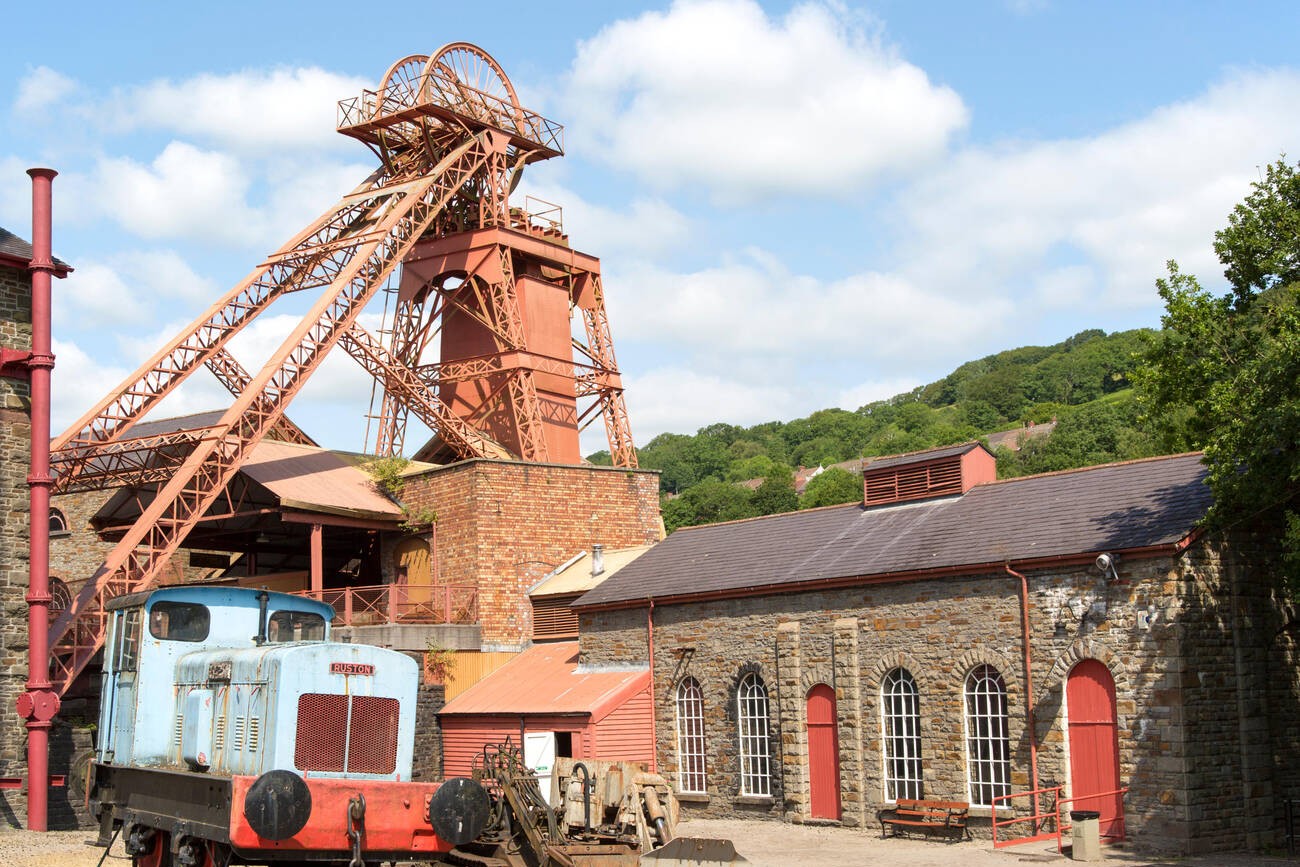
Pazu’s Slag Ravine is the Rhondda, transposed. To stand where Miyazaki stood, start at Rhondda Heritage Park, built around the former Lewis Merthyr colliery, then go underground at Big Pit National Coal Museum in Blaenavon, where former miners lead the tours 90 metres down below.
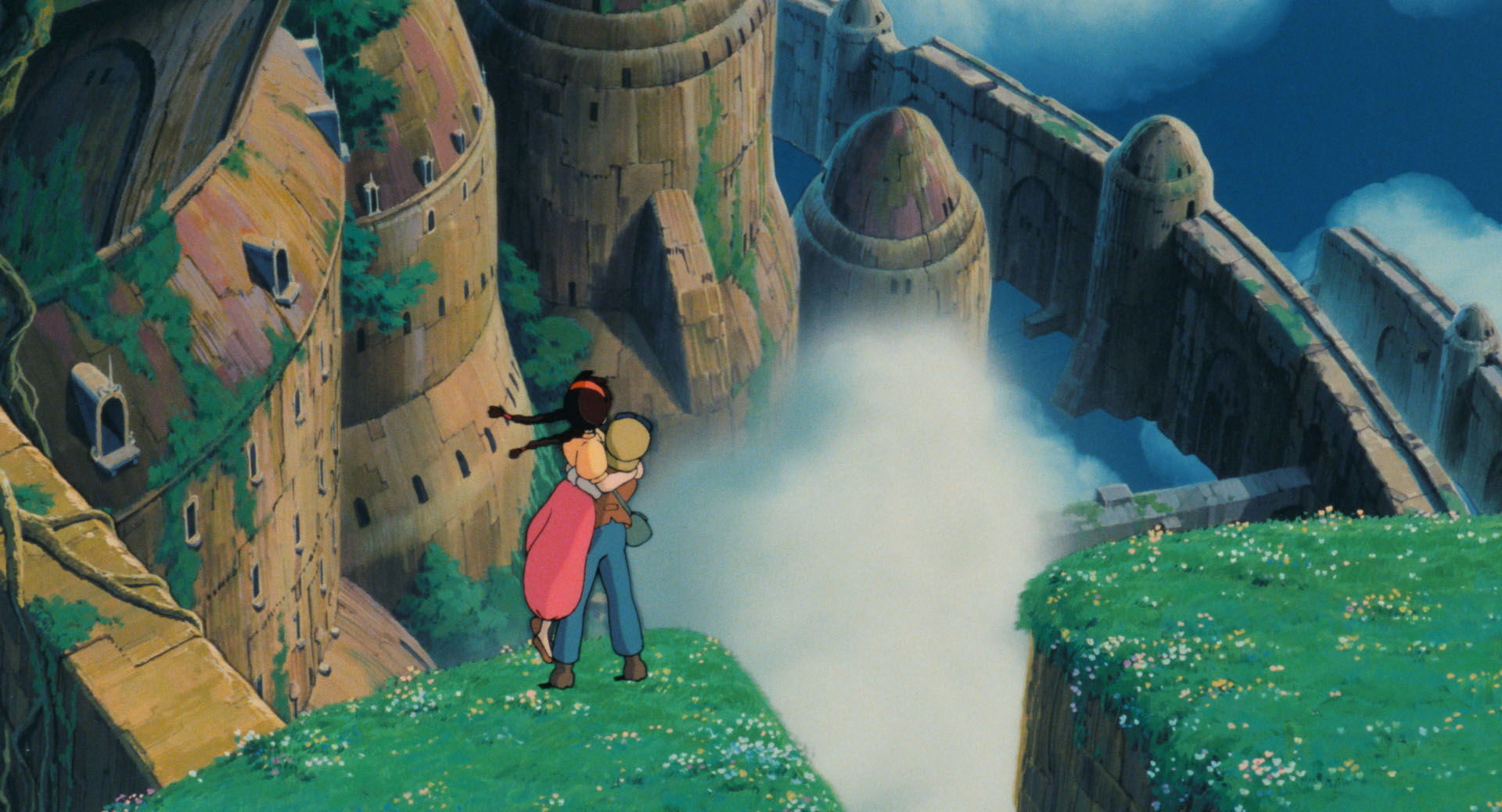
The film’s fortresses are Welsh too. Caernarfon Castle, Edward I’s brute of a fortress-palace, was included on the UNESCO World Heritage list in 1986, the very year the film premiered. Powis Castle contributes its improbable hanging gardens, and Caerphilly, the second-largest castle in Britain, its rings of water defences and a tower that leans further than Pisa’s.
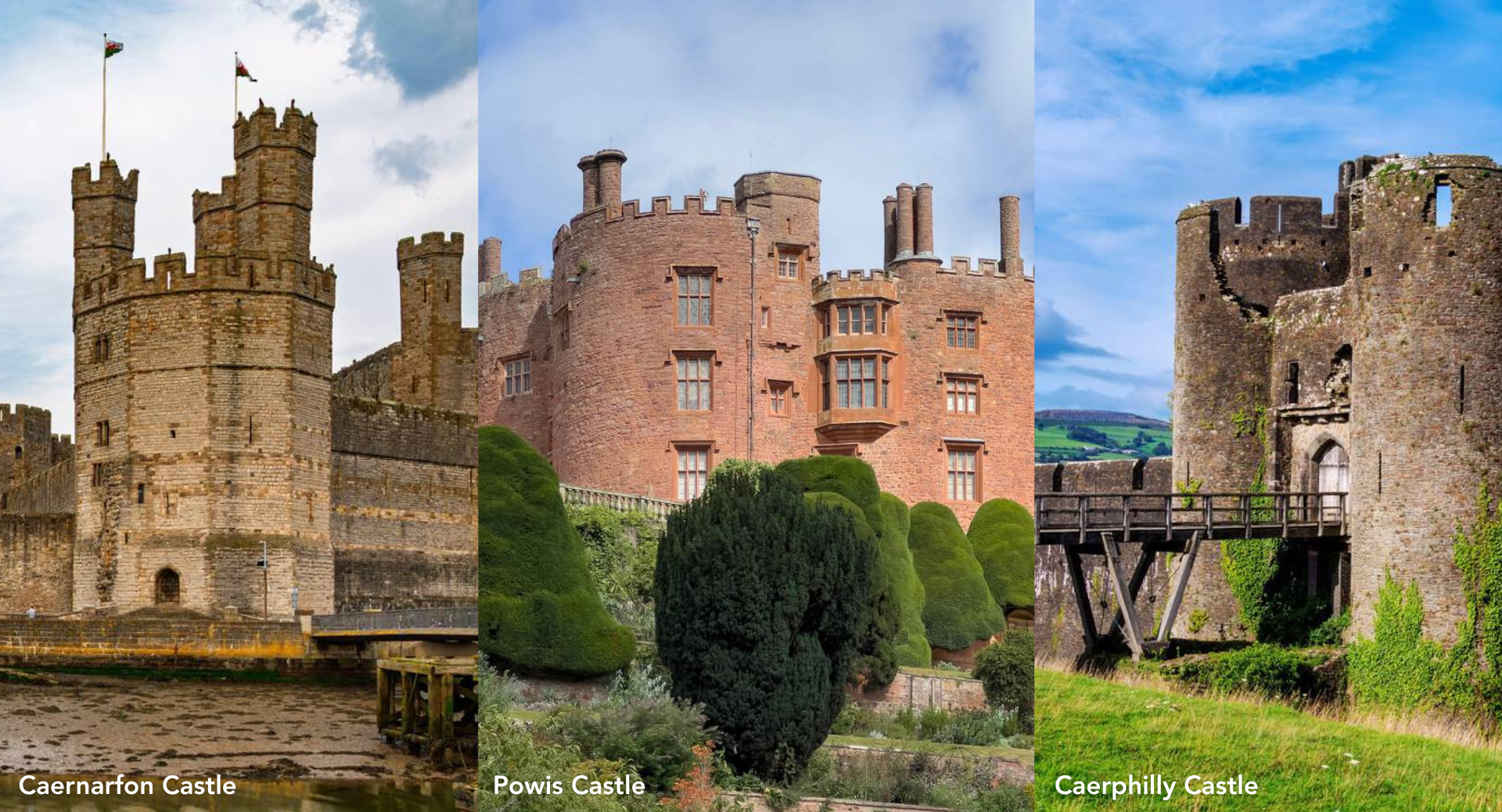
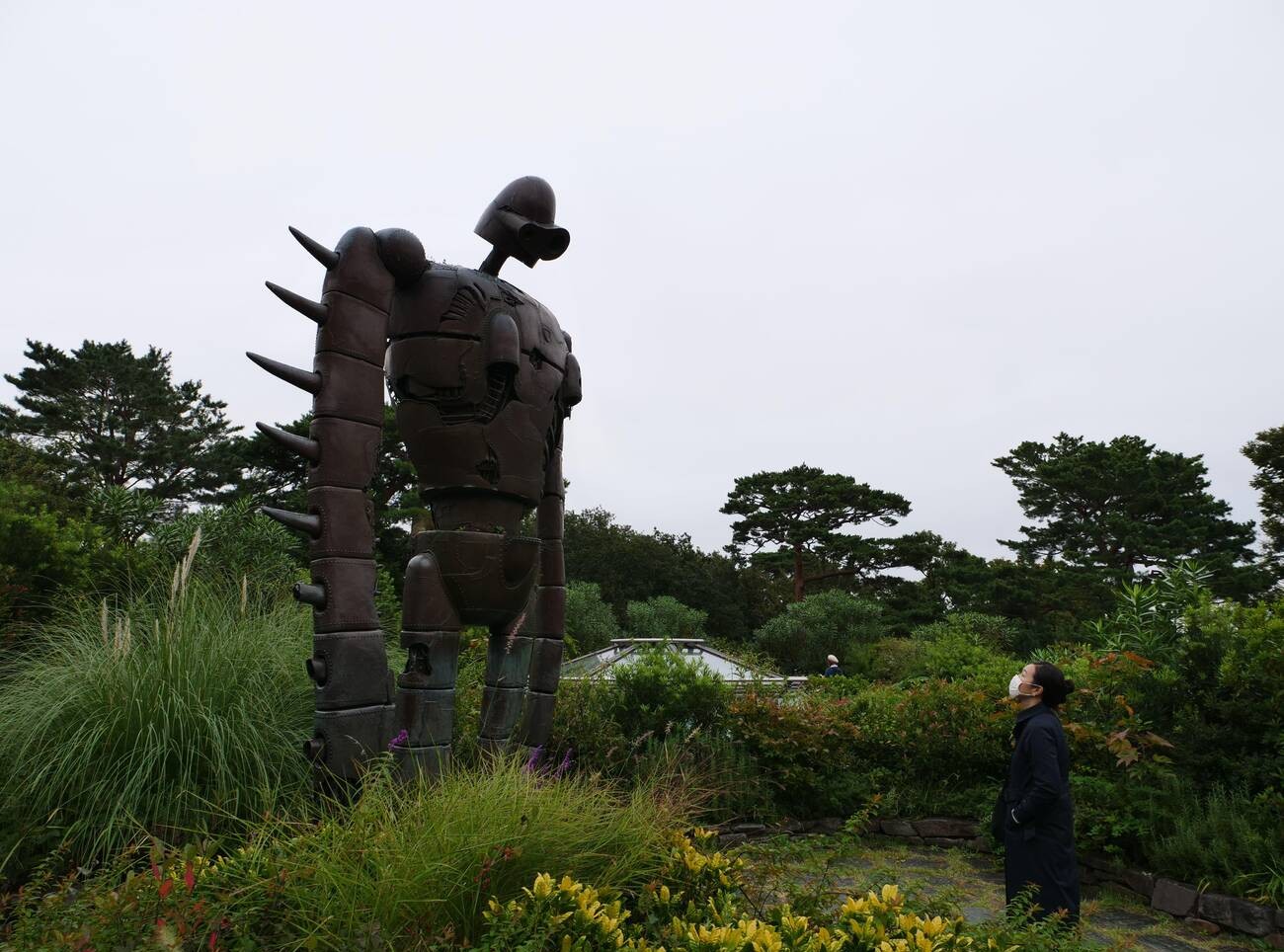
Laputa’s gentle robot ends the film tending a garden on a dead war machine. Wales got there first: its castles surrendered to the ivy centuries ago.
My Neighbor Totoro (1988)
Sayama Hills, Saitama
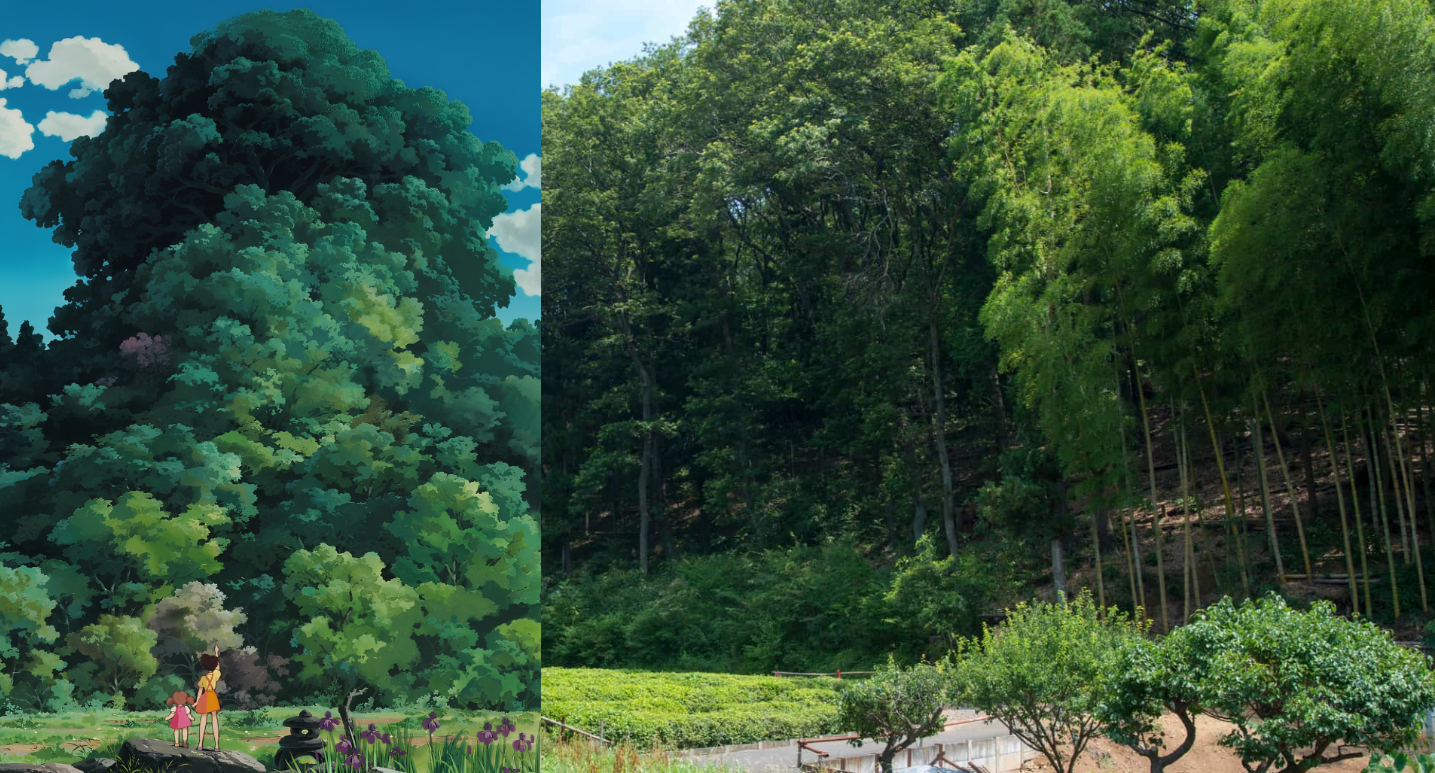
Satsuki and Mei’s countryside is the Sayama Hills on Tokyo’s rim, a last surviving pocket of the old Musashino landscape of copses, tea fields and shrines. When development threatened it, the film came to the rescue: the Totoro no Furusato Fund, founded in 1990 with Miyazaki among its first donors, began buying the woodland plot by plot.
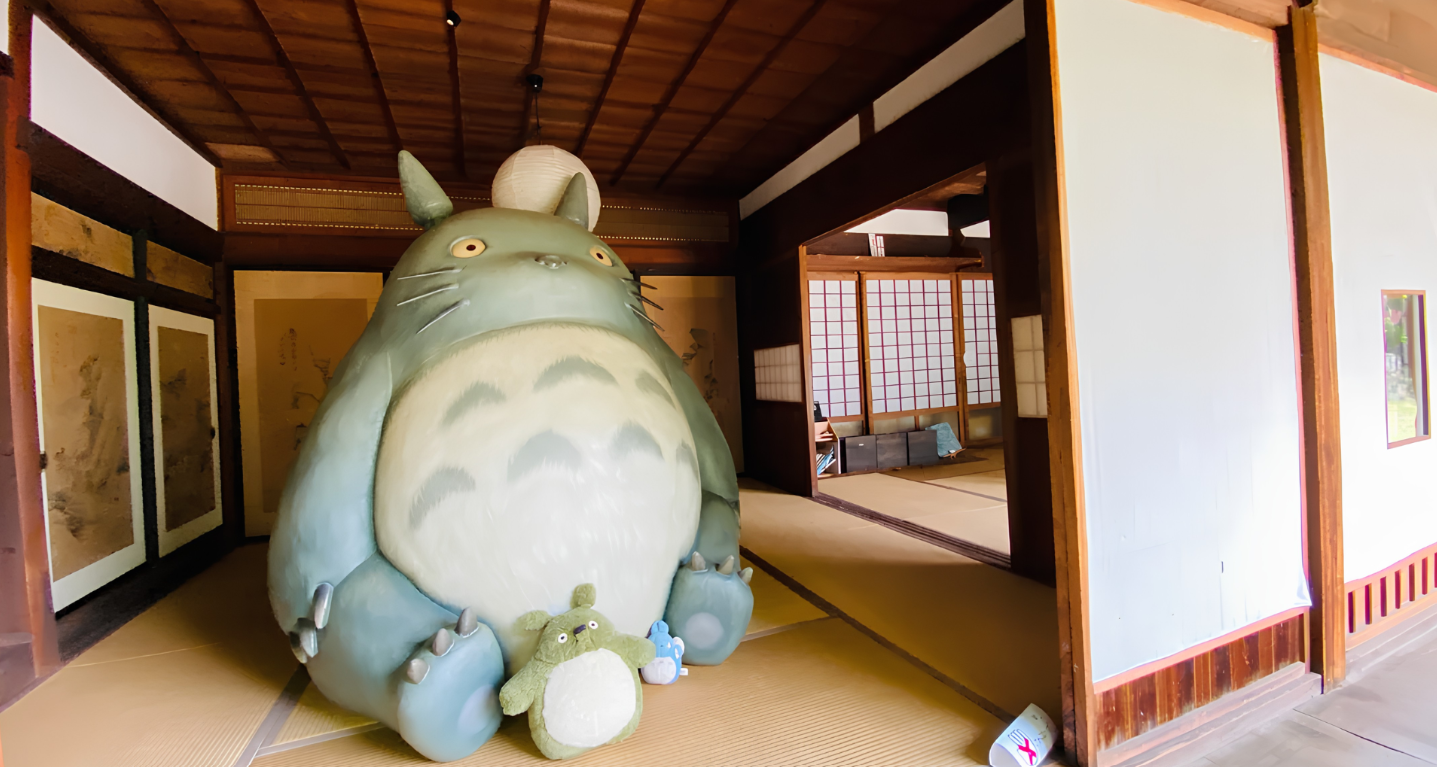
Totoro’s Forest No. 1 was secured in 1991; the count now runs past sixty. The fund’s headquarters is Kurosuke’s House, a century-old farmhouse named for the film’s soot sprites, where a life-size Totoro waits in a tatami room.
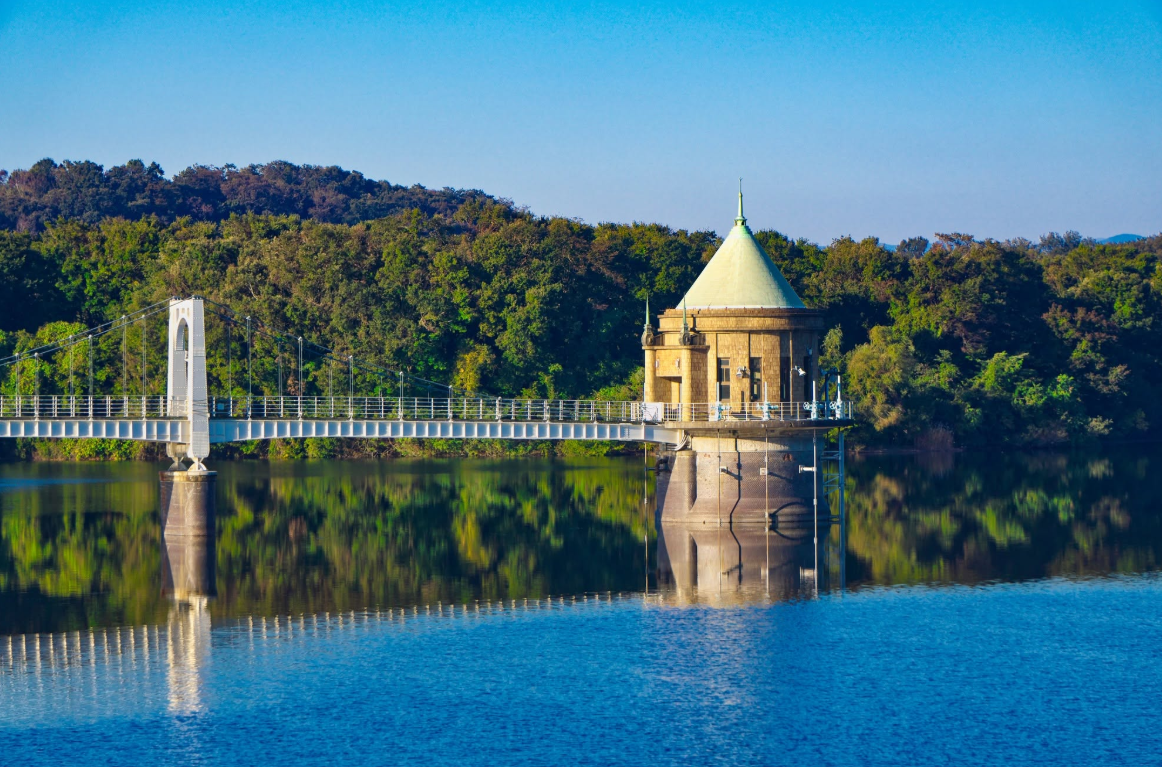
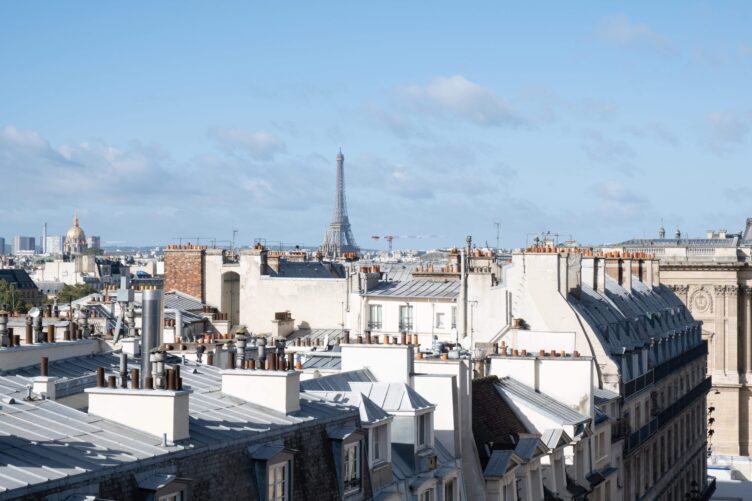
Walk on to Lake Sayama, and on a clear day Mount Fuji rises above the water. Most film locations are preserved because of tourism. This one is preserved because the film taught a generation to love an ordinary wood.
Grave of the Fireflies (1988)
Kobe and Nishinomiya, Hyōgo
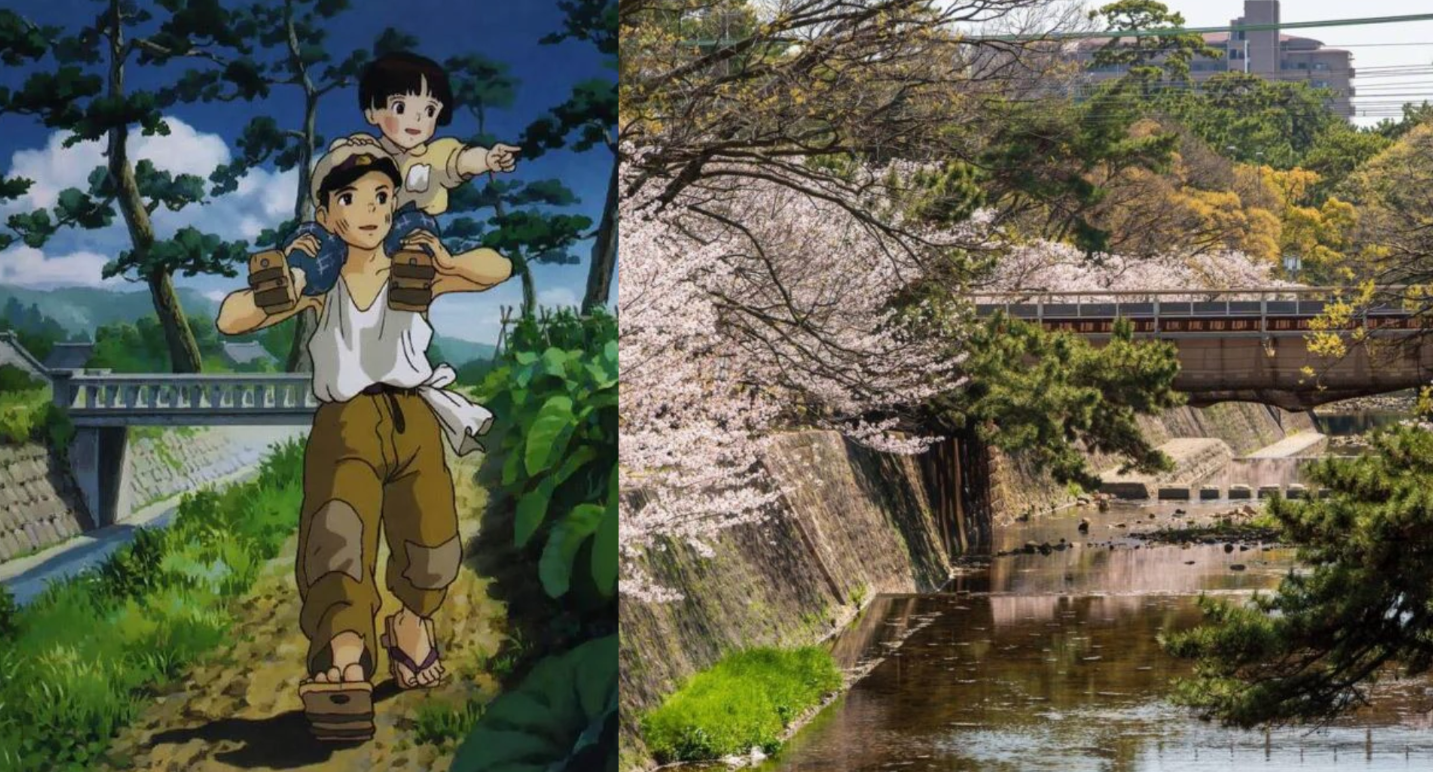
Isao Takahata’s adaptation of Akiyuki Nosaka’s semi-autobiographical 1967 story is mapped onto real ground with unbearable precision. It opens at Kobe’s Sannomiya Station, where columns from the old station still retain their Shōwa-era character. Seita and Setsuko ride the Hankyu line to Shukugawa in Nishinomiya, whose riverbanks of pines and cherry trees appear throughout the film, and shelter beside Niteko Pond, where the siblings briefly build a life of their own.
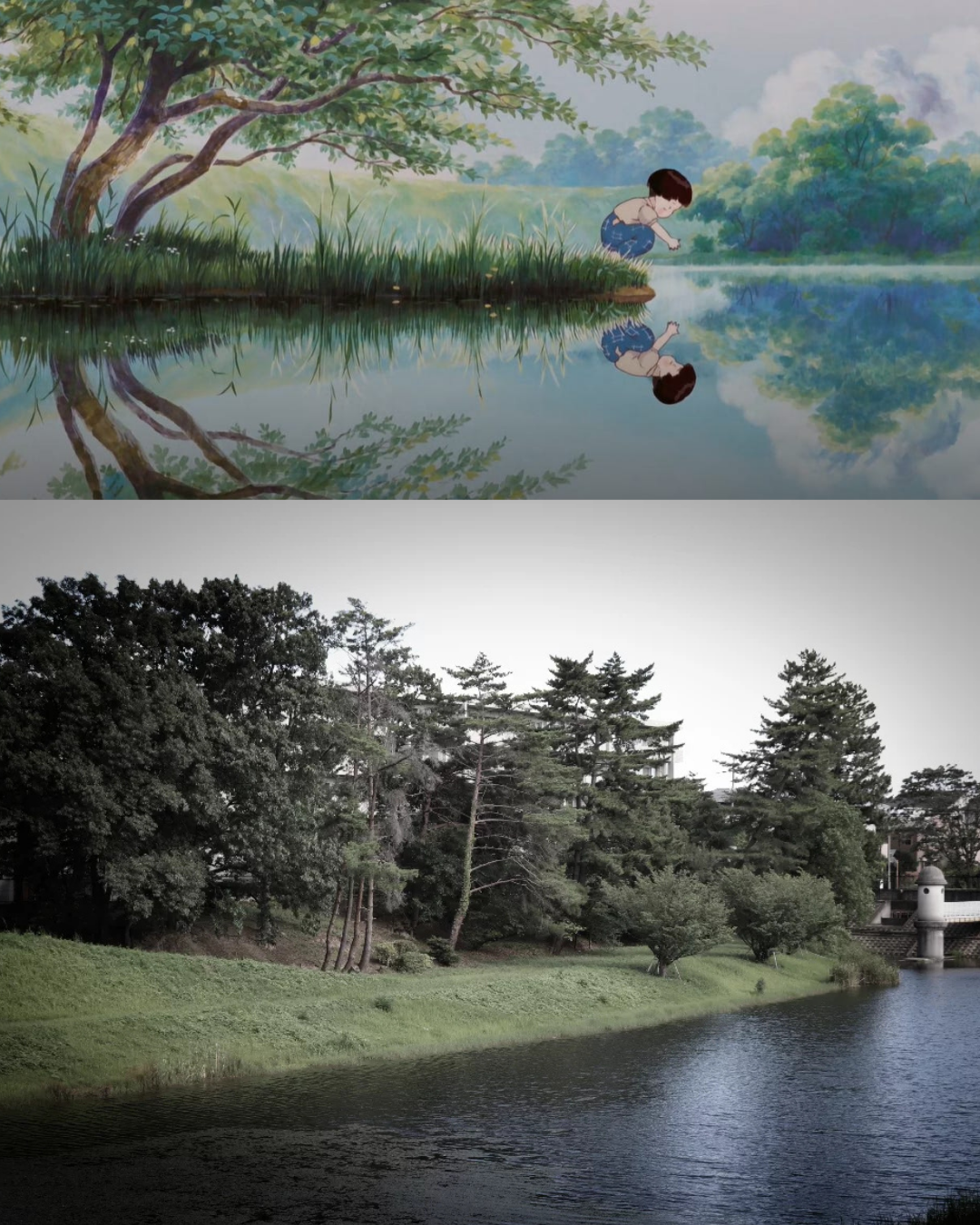
The pond sits today next to a memorial park for the victims of the 1995 earthquake, one grief keeping company with another. Nothing here is signposted as an attraction, and that feels right. You come not to see a location but to pay a visit.
Kiki’s Delivery Service (1989)
Sweden, and half of Europe besides
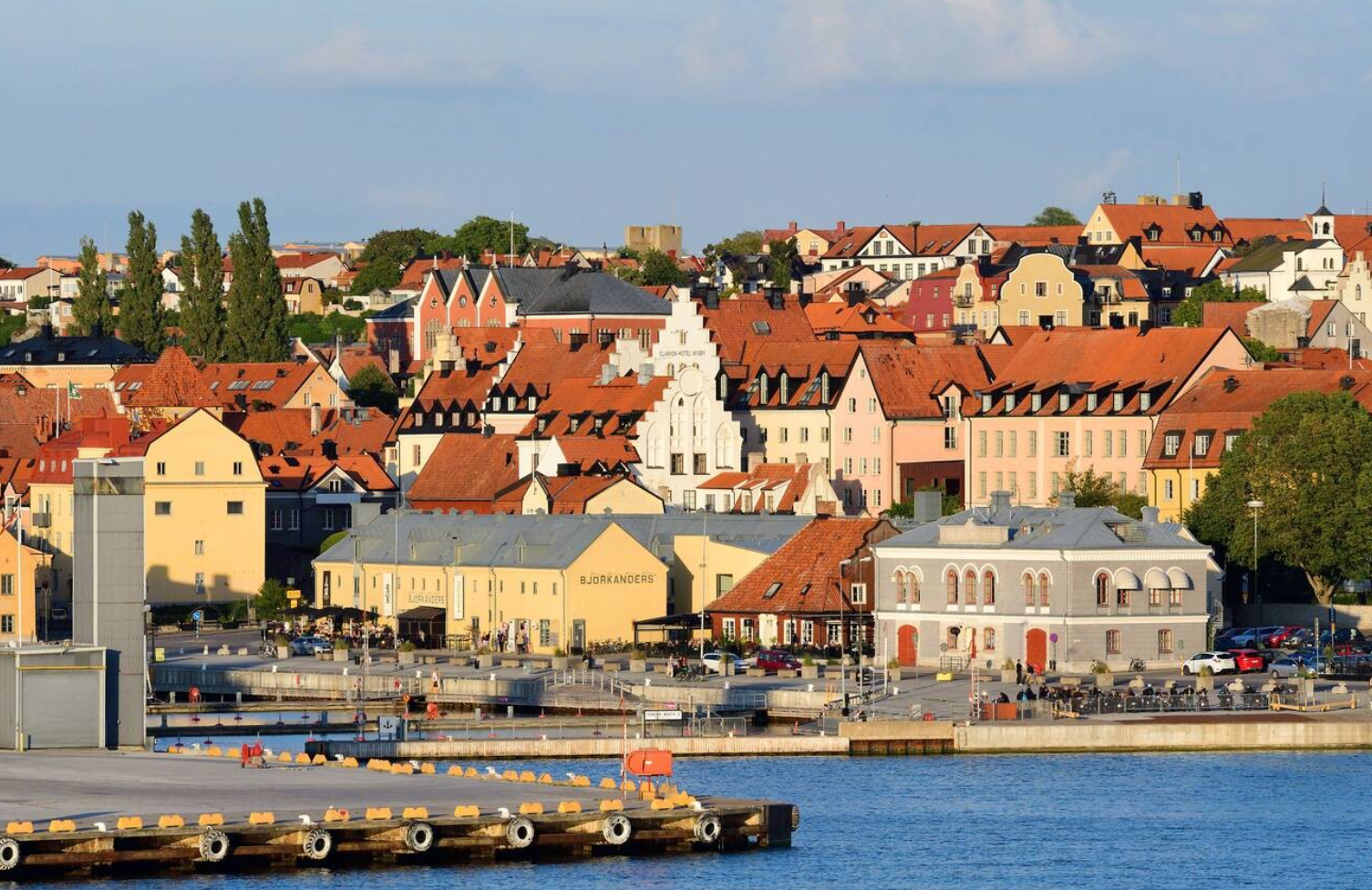
In 1971, a young Miyazaki made his first trip abroad, to Sweden, hoping to persuade Astrid Lindgren to license Pippi Longstocking. Lindgren never agreed to meet him. Unwilling to fly home empty-handed, he photographed and sketched obsessively instead, and eighteen years later those streets became Koriko, Kiki’s seaside city.
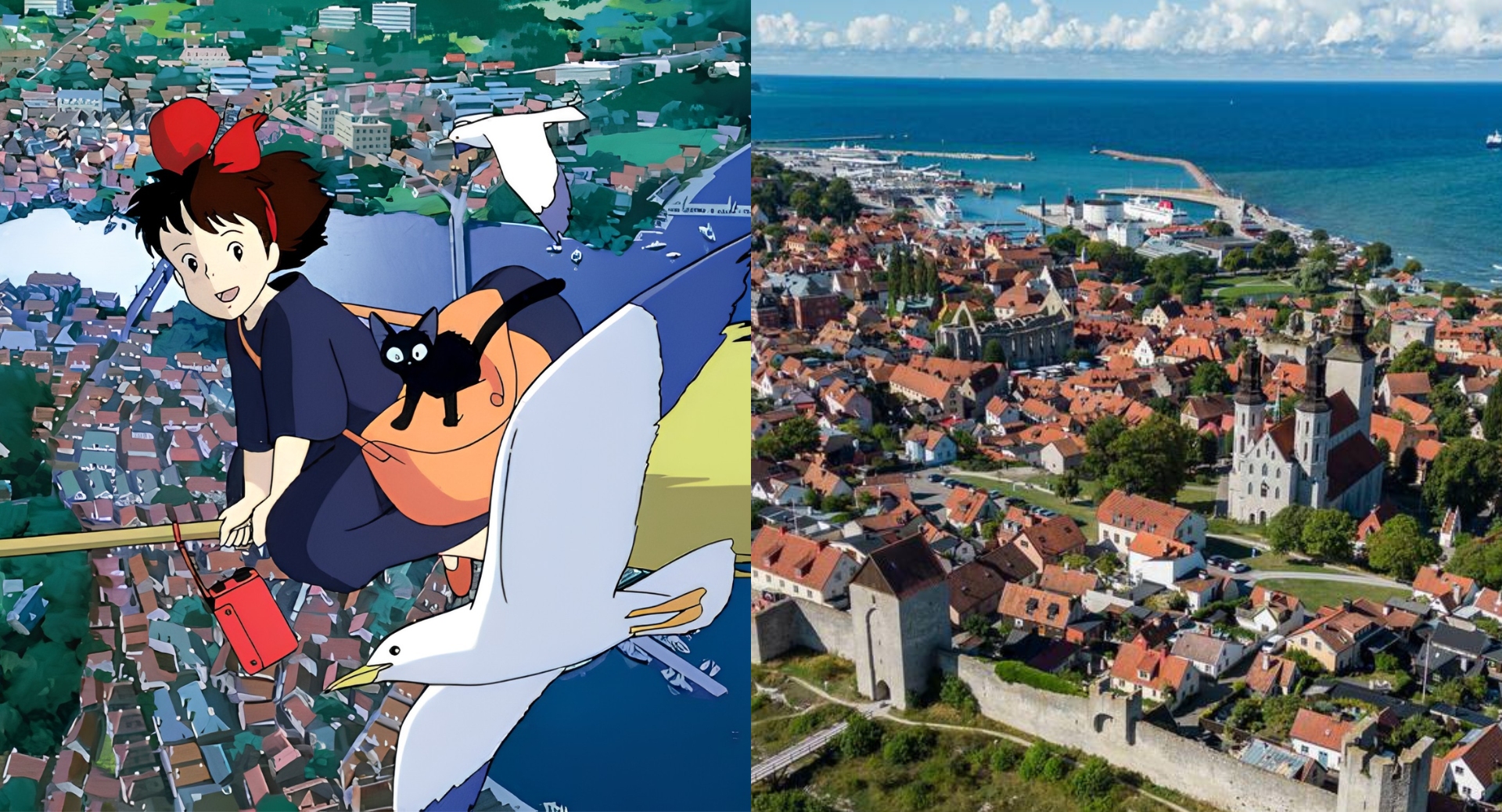
Its bones are Visby, the walled, rose-hung Hanseatic town on Gotland, braided with Stockholm’s Gamla Stan and the tower of Storkyrkan, the city’s cathedral. Before production, Ghibli staff returned and shot eighty rolls of film. Miyazaki described the result as a deliberate mishmash, with borrowings from Lisbon, Naples, Paris, San Francisco and an Ireland he visited in 1988. Koriko is Europe as a hopeful thirteen-year-old imagines it. Visby, out of season, comes startlingly close.
Only Yesterday (1991)
Takase, Yamagata
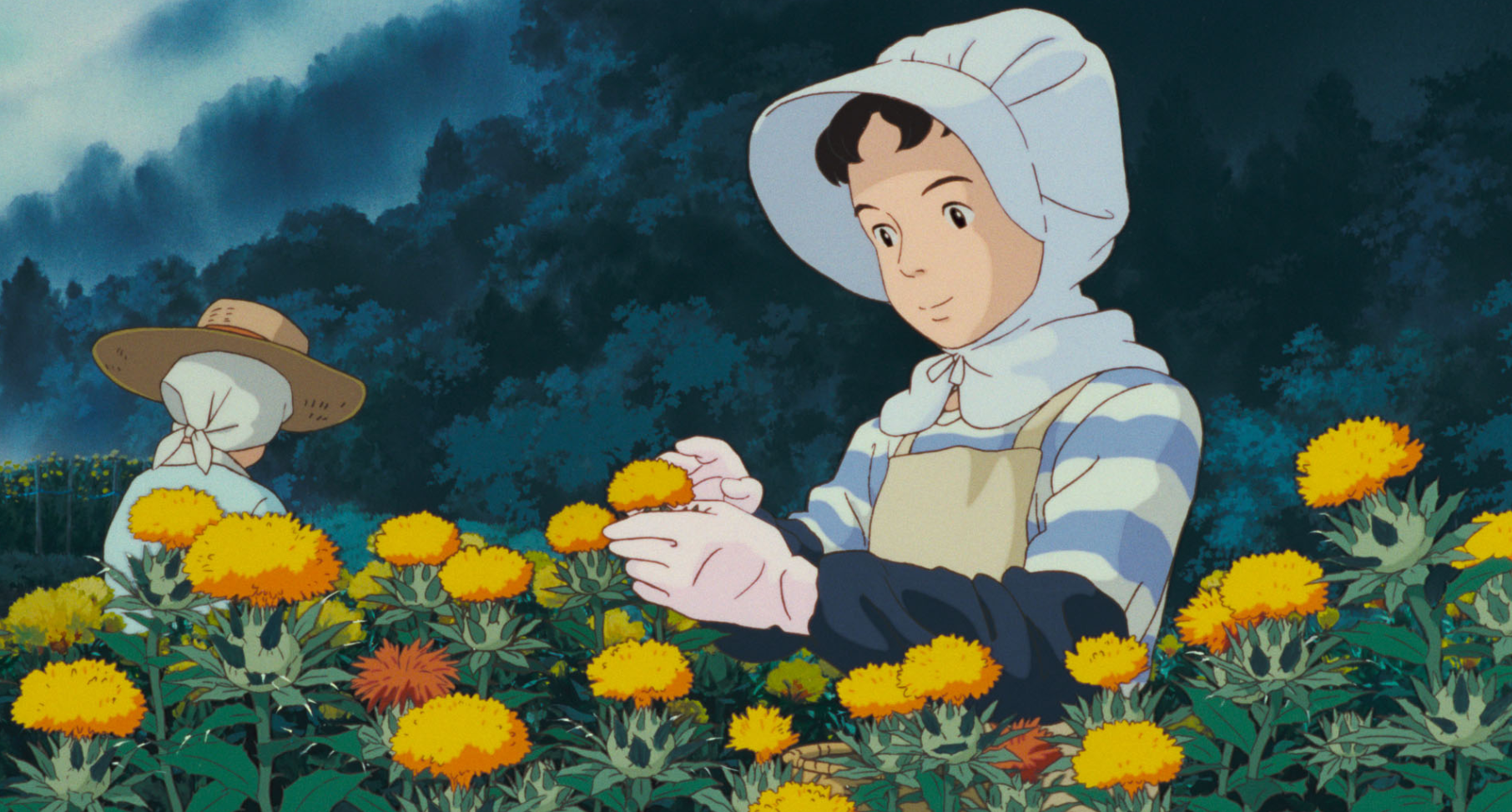
Takahata’s quiet masterpiece sends a Tokyo office worker to the safflower harvest in Takase, a farming district outside Yamagata City, and renders it with documentary patience. The benibana, the thistle-like safflower, is the emblem of the prefecture: for centuries, local women sacrificed their hands picking blossoms to make a crimson rouge none of them could afford to wear. Taeko arrives at little Takase Station on the Senzan line; the building has been rebuilt, but the fields and hills around it are essentially the film’s backgrounds.
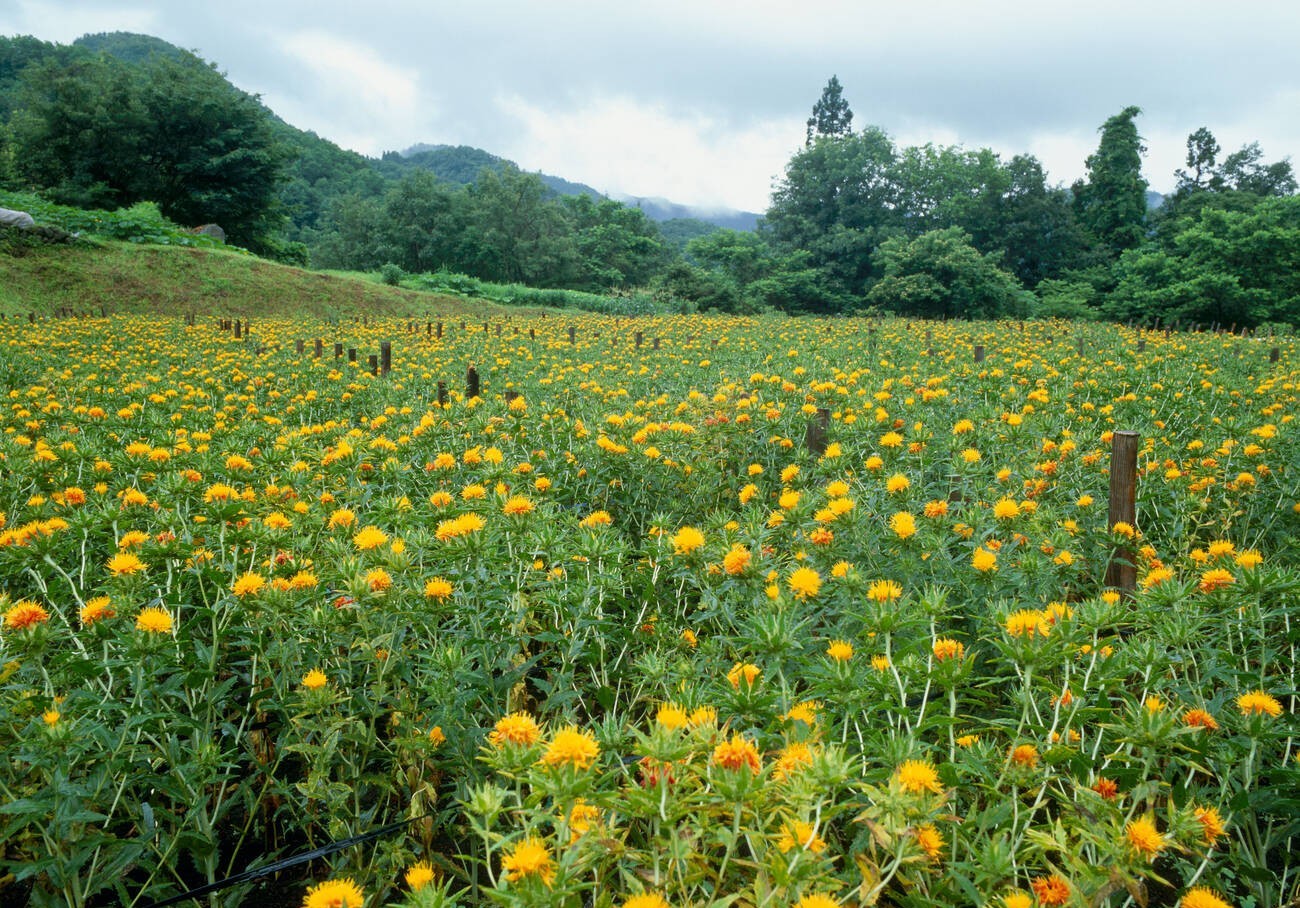
Come in early July for the Benibana Festival, when the fields flame yellow-orange, then finish, as the characters do, at Mount Zaō. Ghibli’s most grown-up film has the most modest pilgrimage of all, and the truest.
Porco Rosso (1992)
The Adriatic, from Vis to Milan
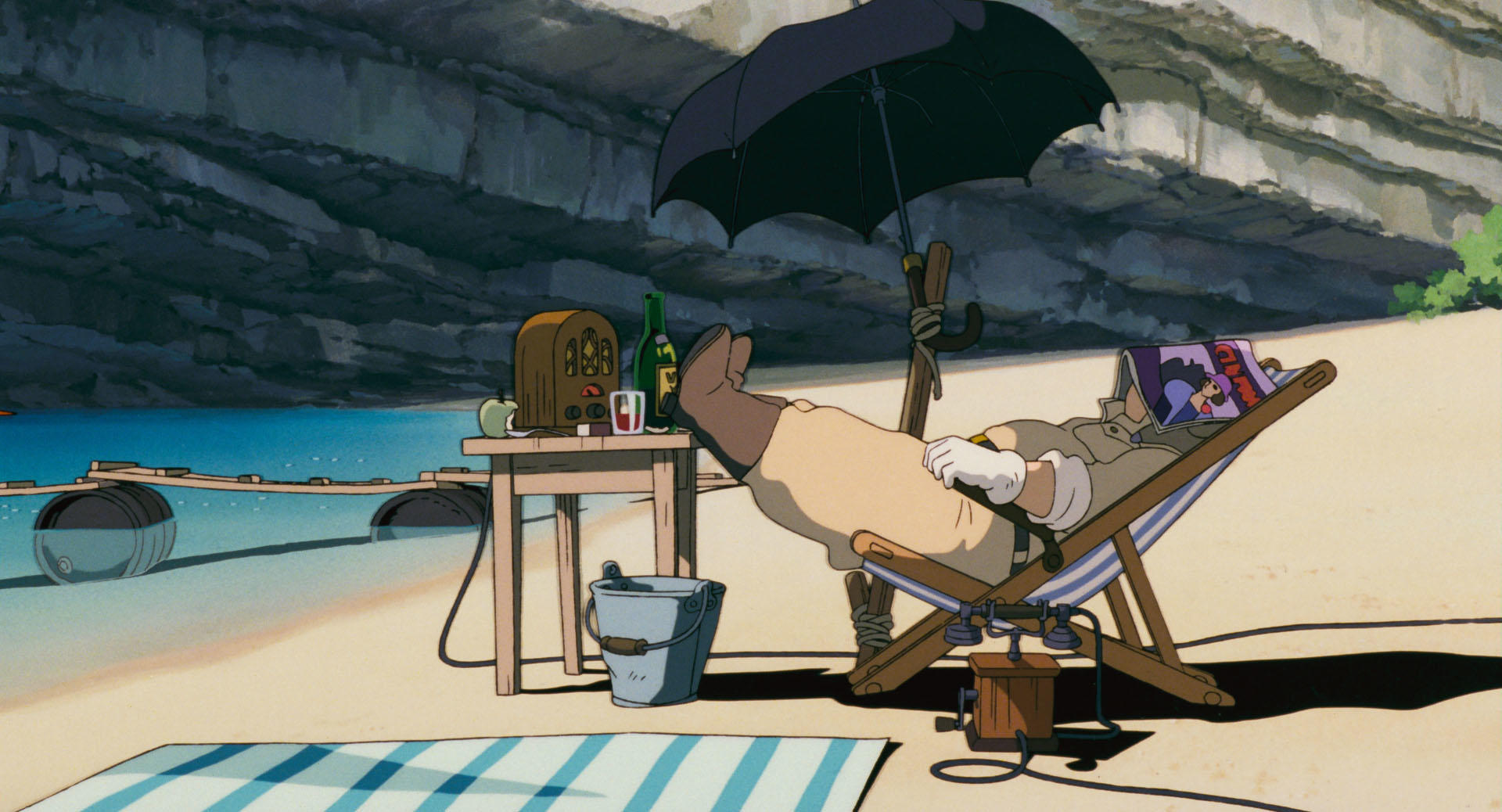
Porco’s hideout, the cove with the slot of blue sea for a door, is Stiniva on the Croatian island of Vis: a collapsed sea cave with an entrance a few metres wide, protected as a natural monument since 1967 and voted Europe’s best beach in 2016. The film began as a light in-flight short for Japan Airlines, but as Miyazaki worked on it, Yugoslavia collapsed, and the very coastline he was animating, Dubrovnik included, became a battlefield; the comedy darkened into his great anti-fascist picture.
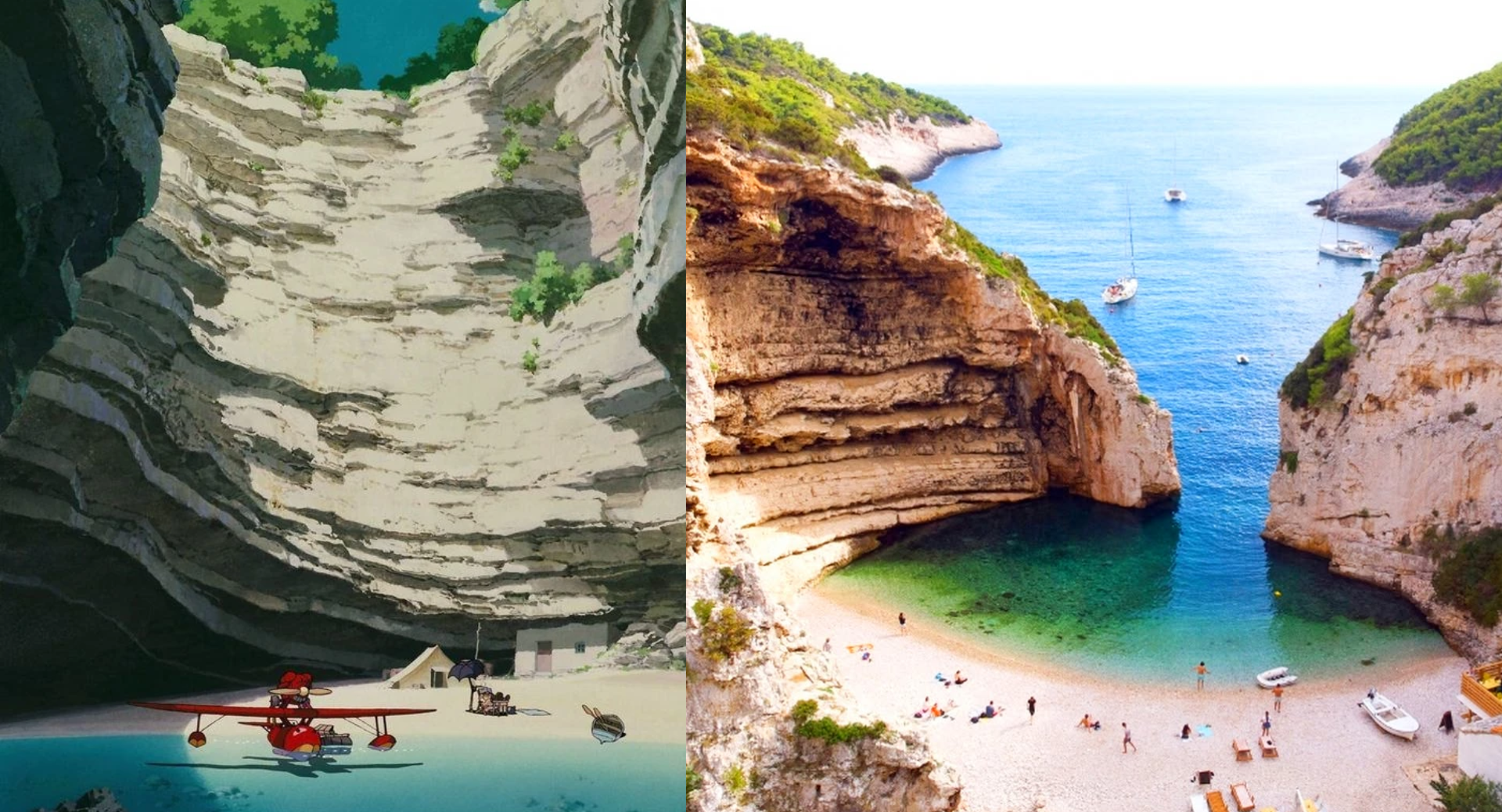
Milan supplies the rest, its canals doubling as Porco’s runway. Reaching Stiniva still requires a steep scramble or a boat ride, which is exactly as it should be. A hideout you could drive to would be no hideout at all.
Whisper of the Heart (1995)
Seiseki-Sakuragaoka, Tama, Tokyo
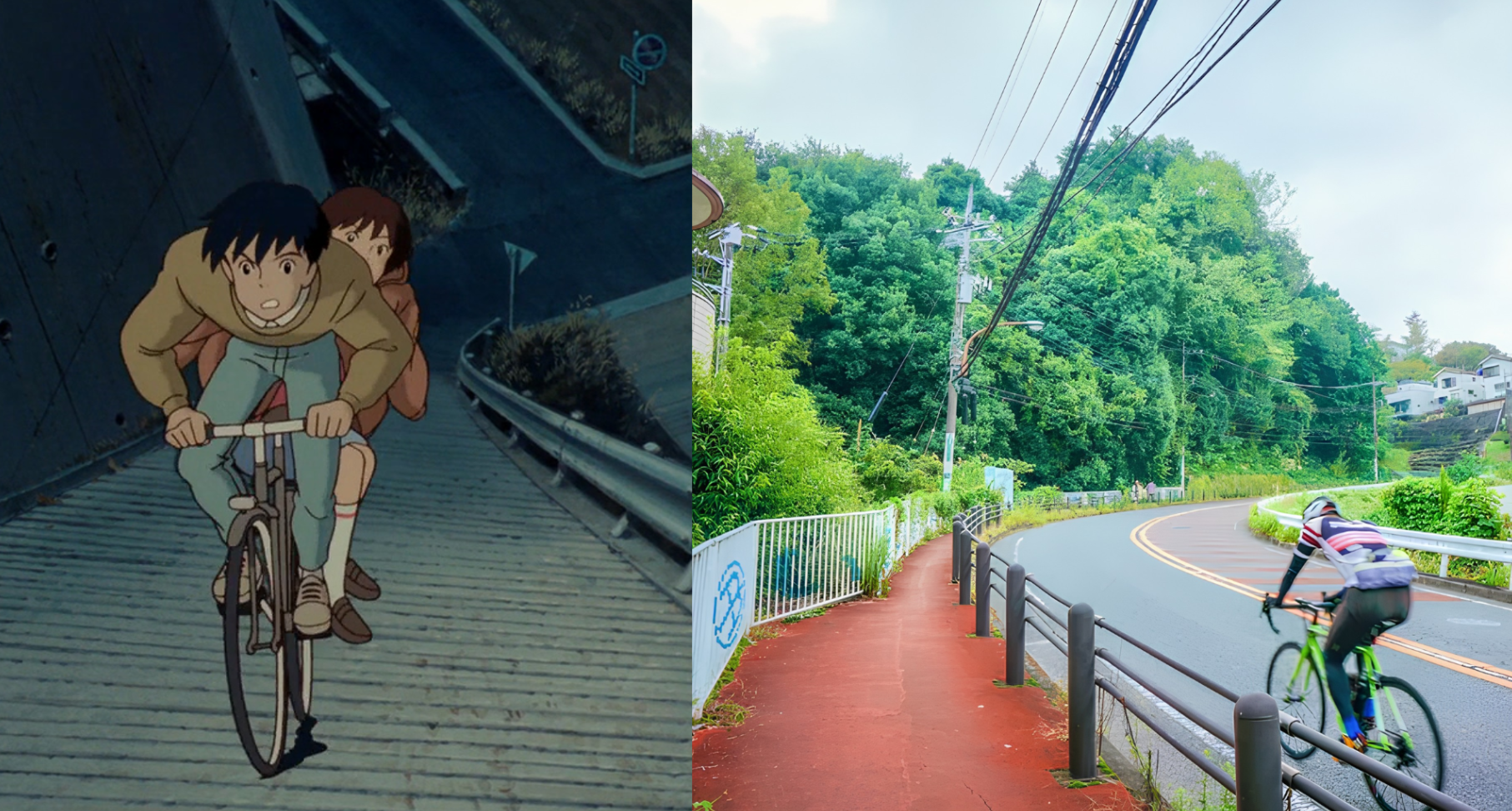
This is the one Ghibli setting where residents gasped in cinemas at their own houses. Yoshifumi Kondō’s film about Shizuku, a book-devouring schoolgirl who follows a cat off a train, maps a real Keiō-line suburb: Seiseki-Sakuragaoka Station, where a noticeboard by the exit now maps the film’s locations; Kasumigaseki Bridge over the Ōkuri stream; the curving climb of Iroha-zaka; the stone steps to little Konpira Shrine, where a classmate’s confession goes wrong; and the hilltop rotary with its views back over the Tama valley.
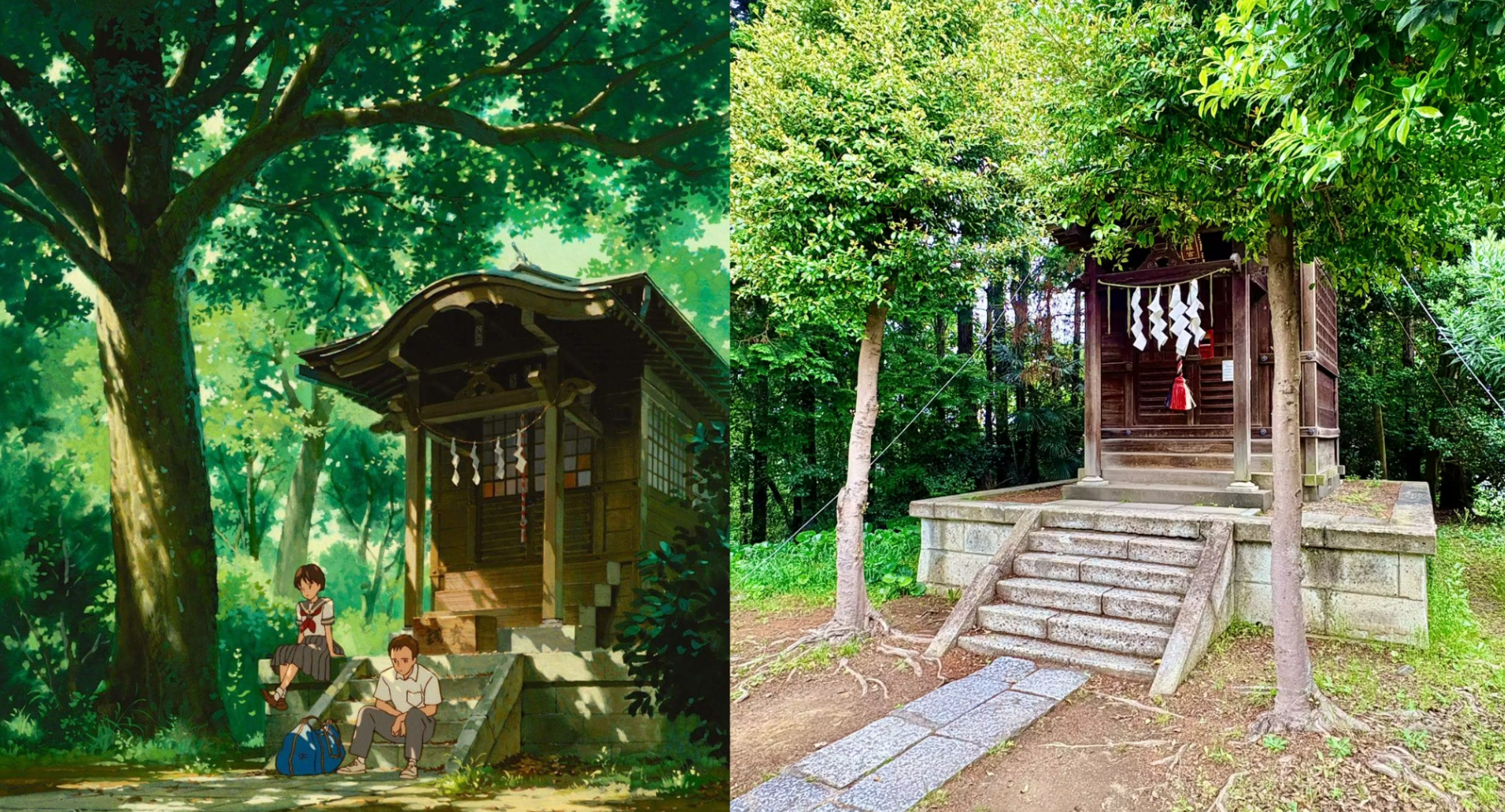
There is no landmark here, only ordinary streets made luminous by attention. Every reader who ever chased a story uphill will recognise the feeling before recognising the place.
Princess Mononoke (1997)
Yakushima, Shirakami-Sanchi and an iron village
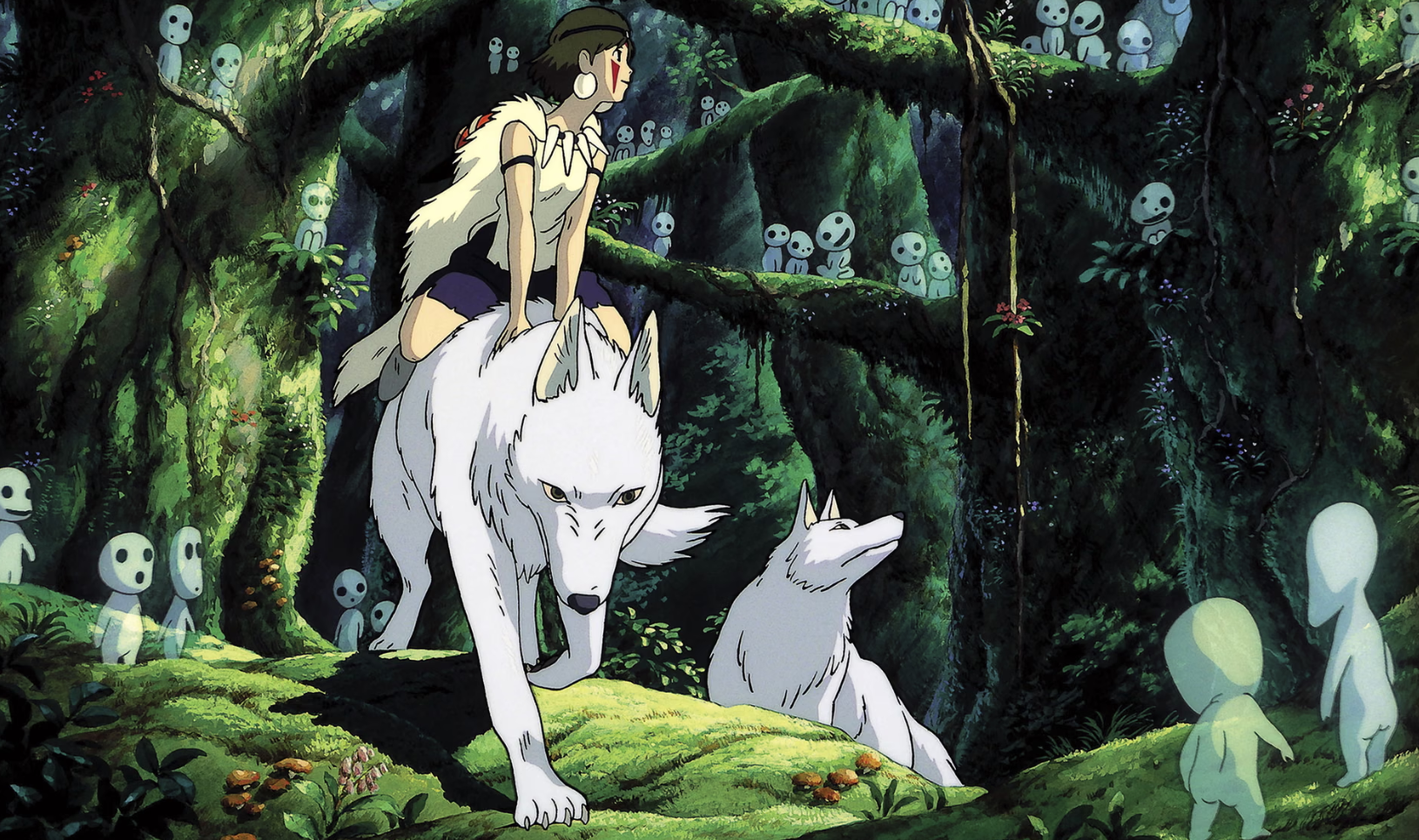
The Forest Spirit’s realm grew from Shiratani Unsuikyō, a moss-covered ravine of ancient cedars on the island of Yakushima, where art director Kazuo Oga sat sketching for hours; the island was recognised as one of Japan’s first UNESCO World Natural Heritage sites in 1993.
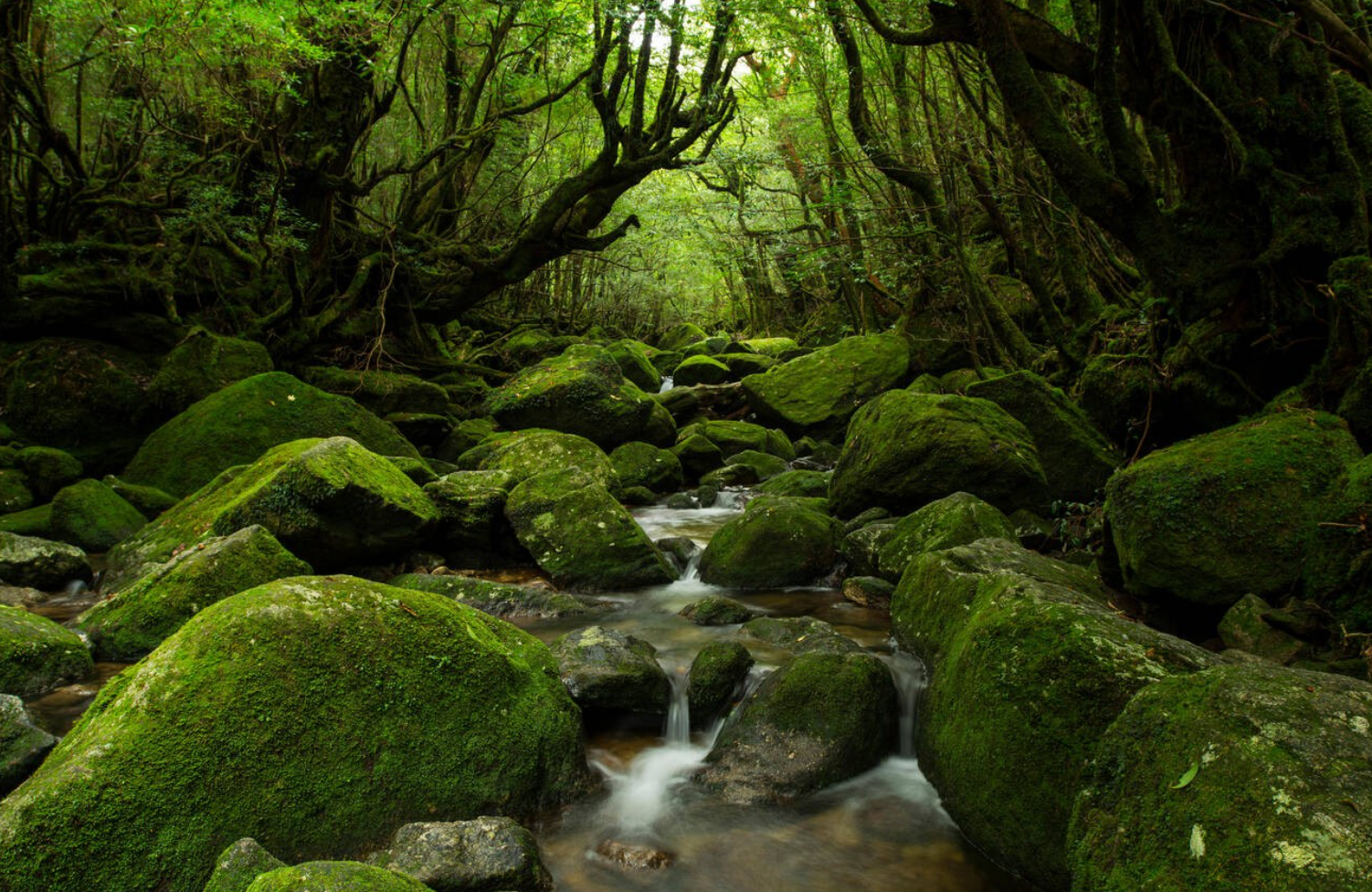
The same year brought the same honour to Shirakami-Sanchi, the vast virgin beech forest straddling Aomori and Akita that fed the film’s deeper wilderness. Walk its Jūniko lake district to Aoike, a pond of mysterious blue. For Irontown, go to Sugaya Tatara Sannai in Unnan, Shimane, a village preserved around the tatara furnaces that smelted iron the way Lady Eboshi’s workers do. The forests outlasted the furnaces. The film is honest enough to mourn both.
Spirited Away (2001)
Bathhouses, real and remembered
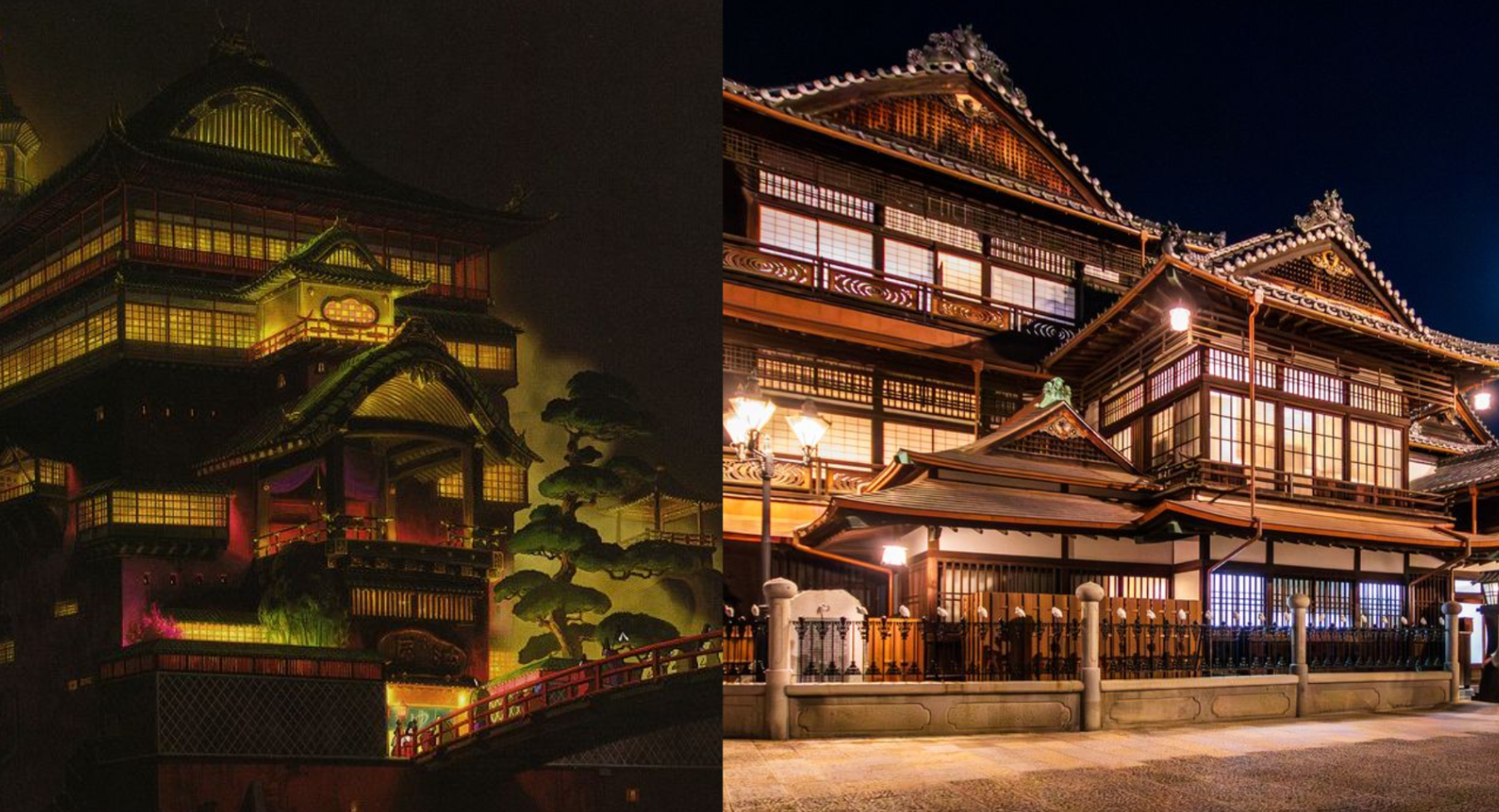
Yubaba’s bathhouse is a composite, and every component can be visited. Dōgo Onsen Honkan in Matsuyama, the soaring wooden bathhouse of one of Japan’s oldest hot springs, 3,000 years old by legend and mentioned in the Nihon Shoki, became the first public bath to be designated an Important Cultural Property in 1994. It reopened fully in July 2024 after five years of conservation; you can still soak in it for a few hundred yen.
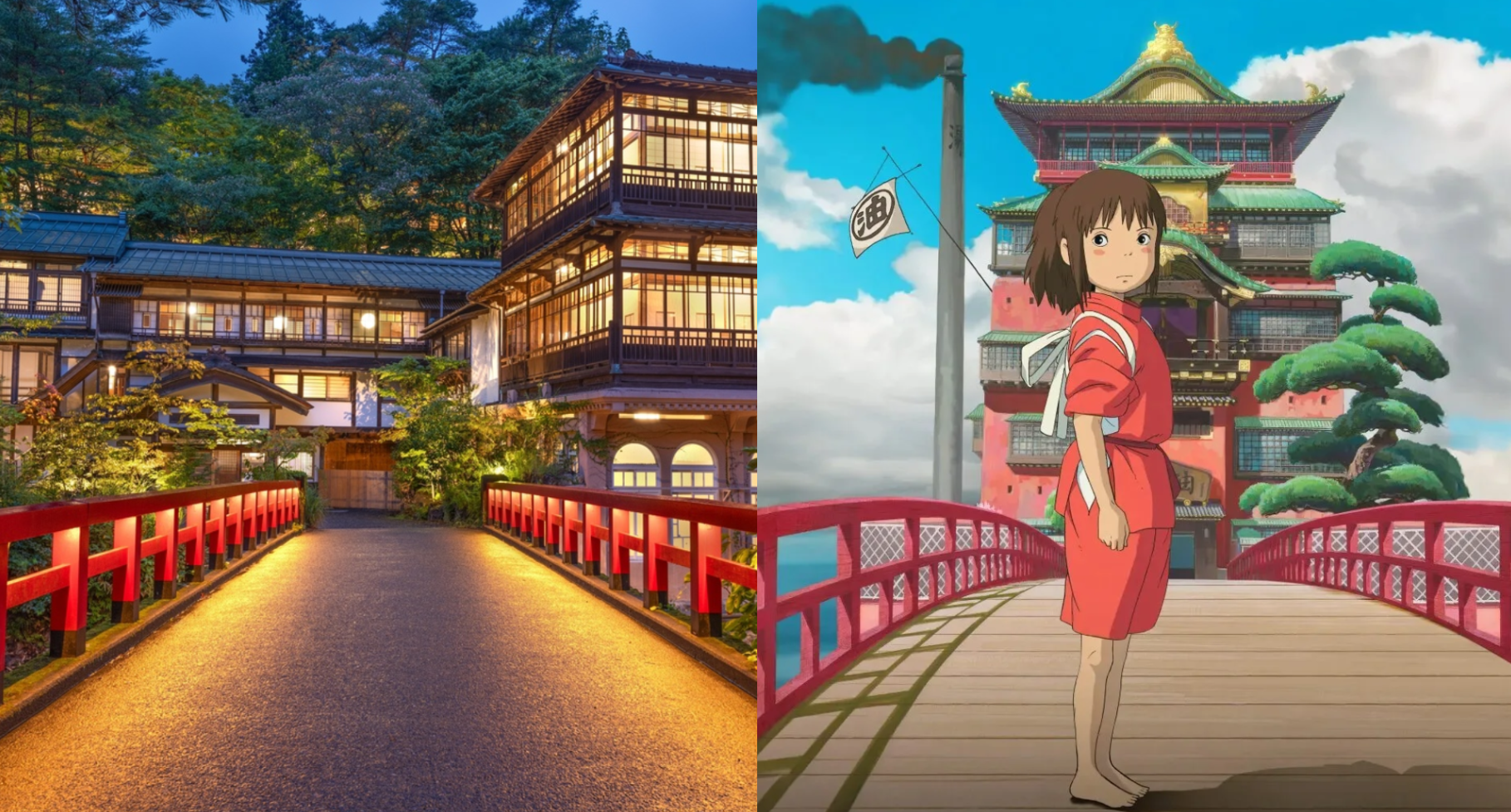
At the Edo-Tokyo Open Air Architectural Museum in Koganei, a haunt of Miyazaki’s, the shelf-crammed Takei Sanshōdō stationery shop is unmistakably Kamajī’s boiler room, with the Kodakara-yu bathhouse and the Shitamachi shopfronts nearby. Sekizenkan in Shima Onsen, where Miyazaki stayed, supplies the red bridge; Tokyo’s Meguro Gajōen, the gilded Hyakudan Kaidan staircase, the banquet interiors. Then eat under the lantern-lit rail arches of Yūrakuchō and Shinbashi at dusk; the spirit town’s food street needs no further explanation.
Howl’s Moving Castle (2004)
Colmar and Riquewihr, Alsace
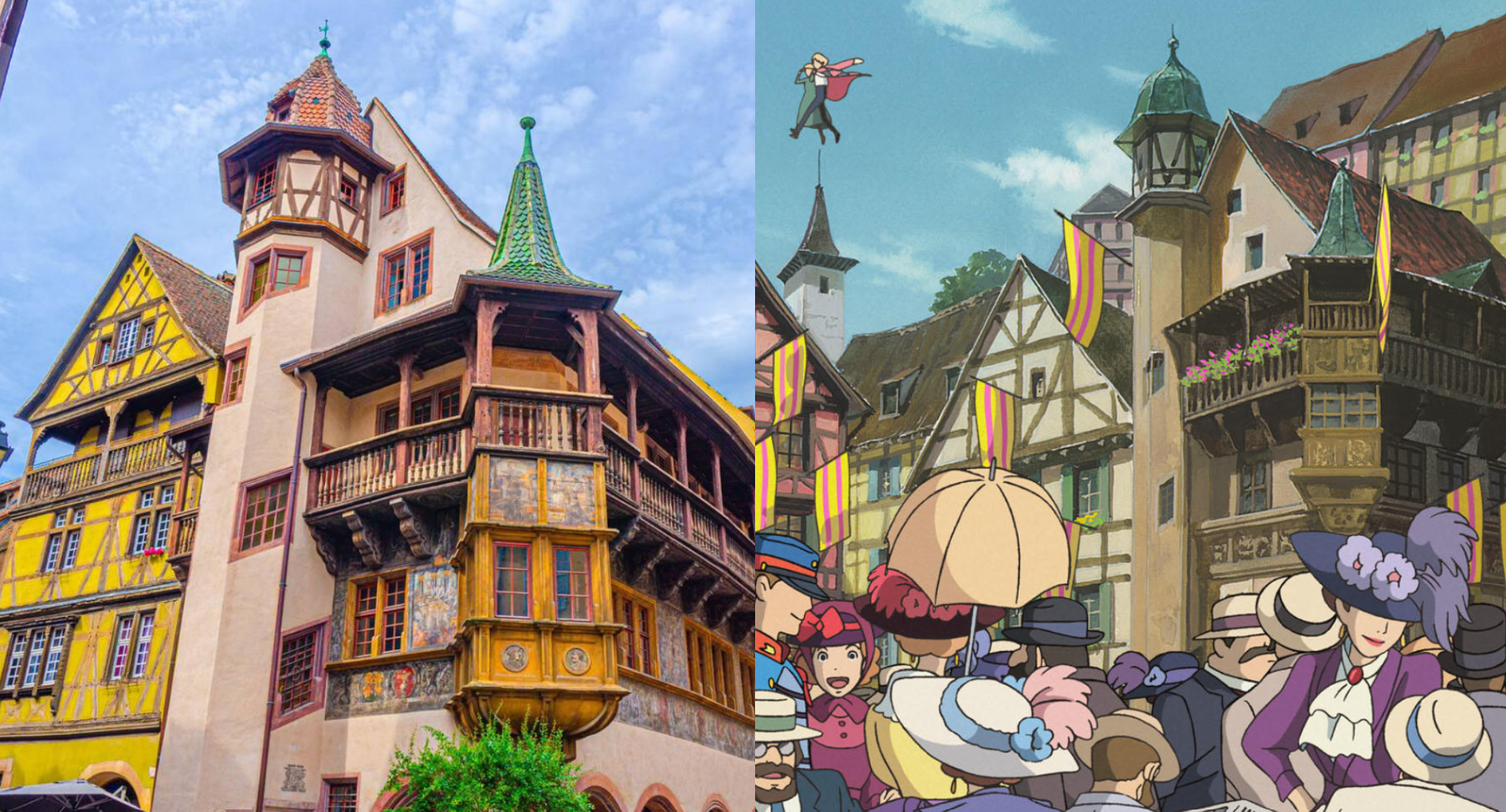
Sophie’s hometown of Market Chipping is Alsace, half-timbered and improbably coloured. In Colmar, the Renaissance Maison Pfister of 1537, painted galleries and corner turret, appears all but directly in the film, and it was built for a hatter, which is either research or the universe showing off; Sophie, remember, trims hats for a living.
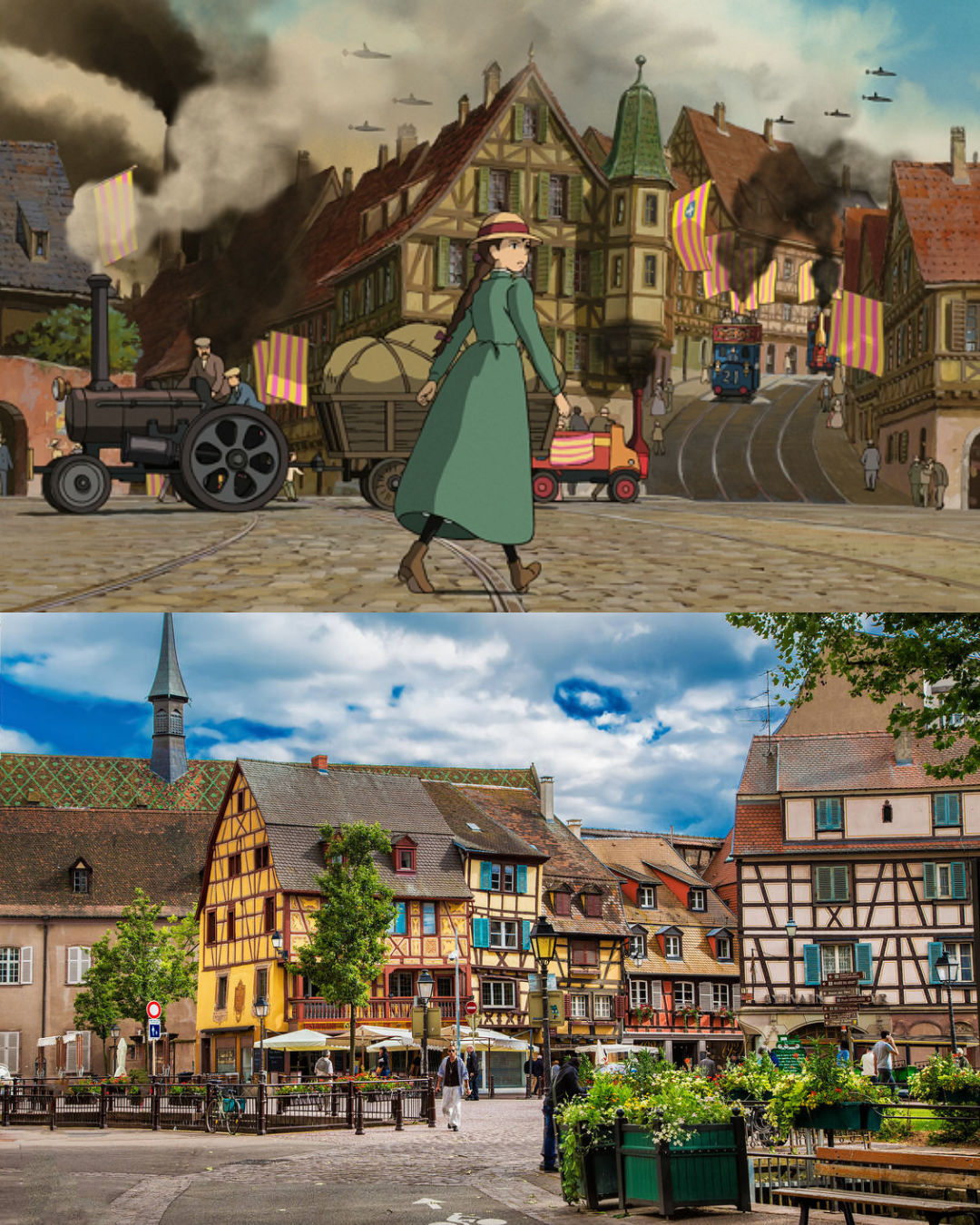
Add the Koïfhus, the old customs house, and the canalside lanes of La Petite Venise. Twenty minutes away, the wine village of Riquewihr, guarded by its 13th-century Dolder gate tower, came through past wars almost untouched. There is a Welsh footnote too: Diana Wynne Jones, who wrote the novel, was partly raised in Wales during the war. Ghibli’s Europe keeps circling back to the same small countries.
Ponyo on the Cliff by the Sea (2008)
Tomonoura, Hiroshima
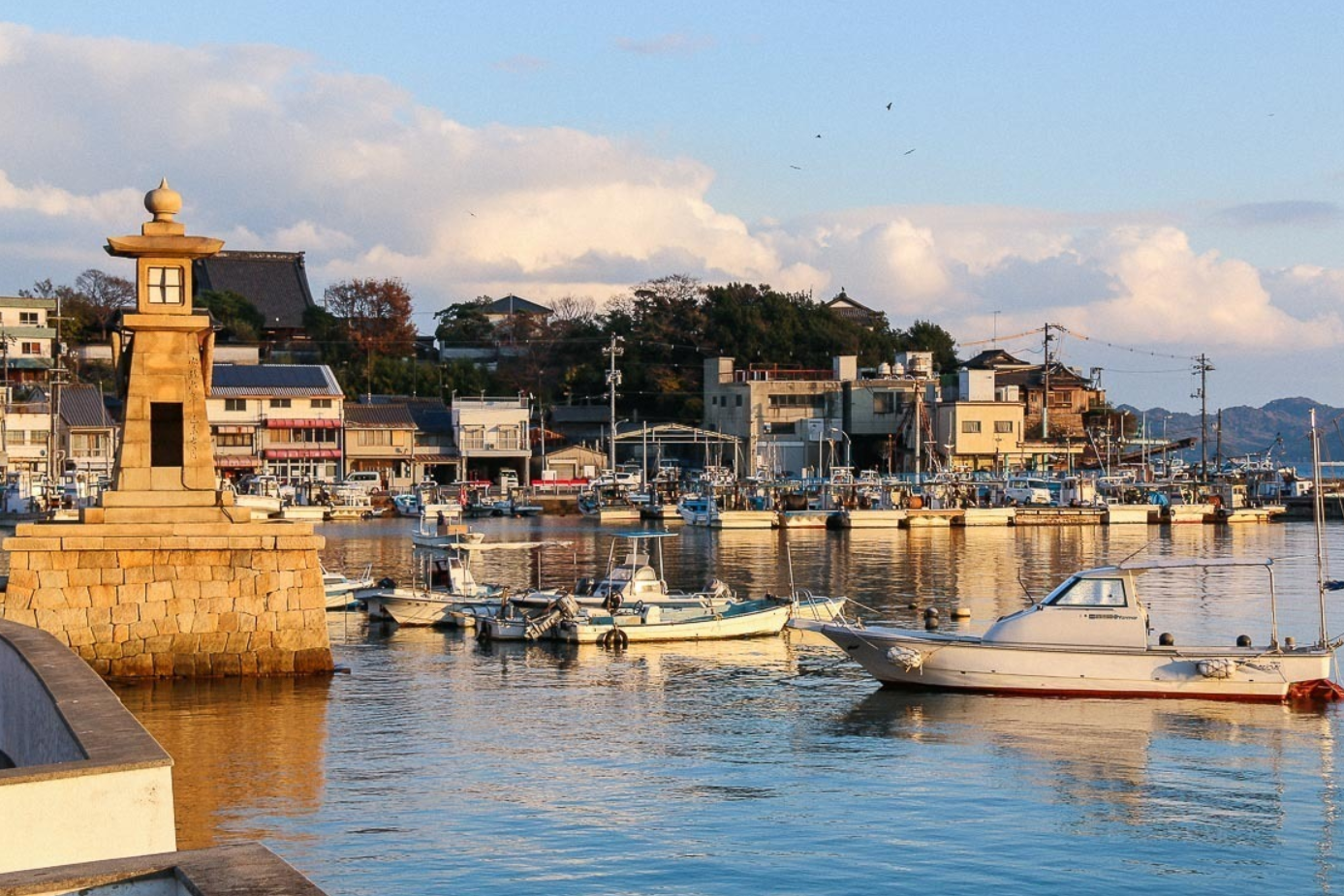
Before drawing a five-year-old’s seaside town, Miyazaki went and lived in one. He spent two months in a house above the harbour of Tomonoura, an Edo-period port on the Seto Inland Sea where ships once anchored to wait for the turning tide. Its symbol is the Jōyatō, an eleven-metre stone lantern-lighthouse built in 1859, the largest of its kind surviving in a Japanese port.
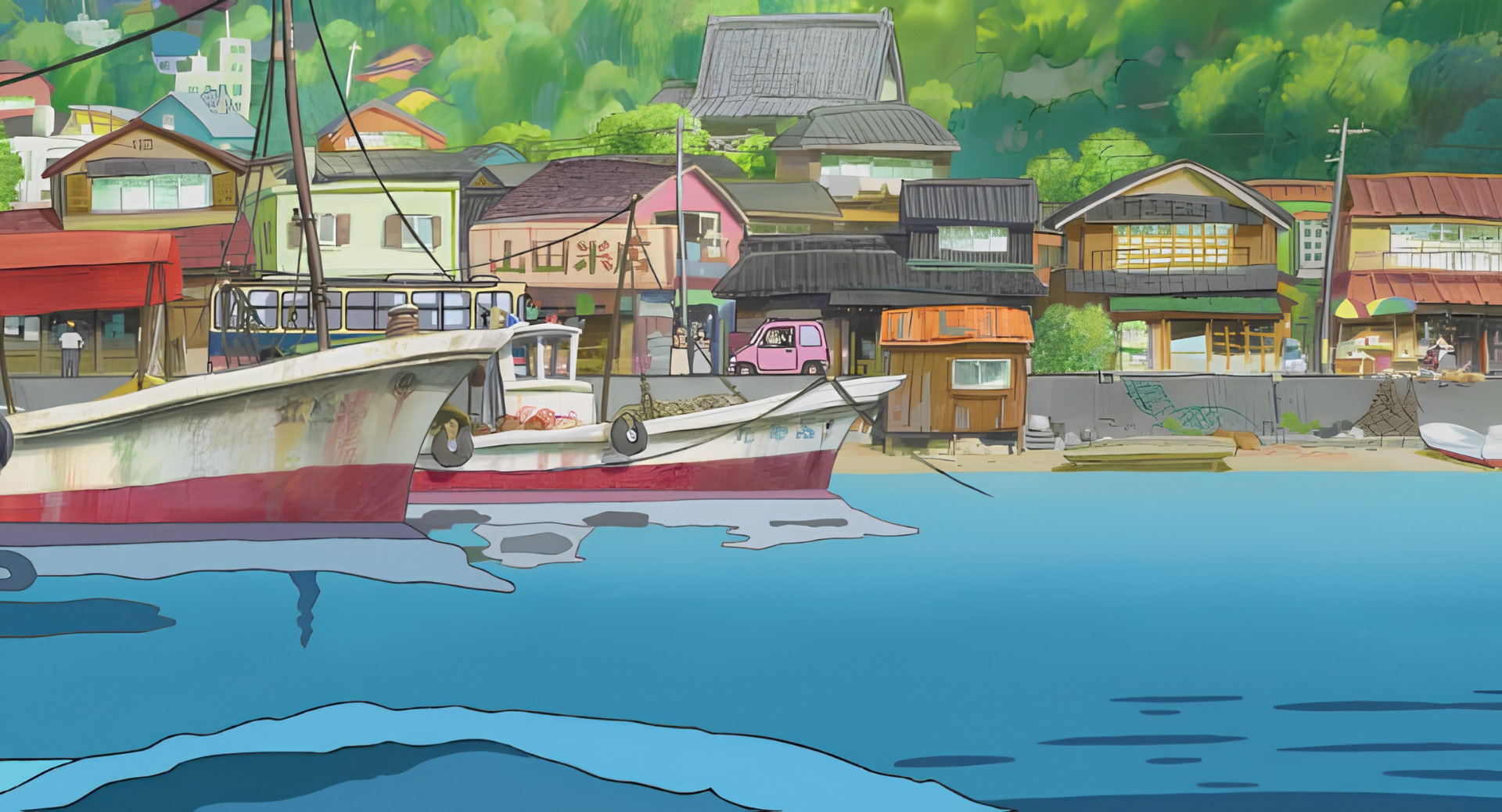
The town returned the affection: the 220-year-old merchant house Onfunayado Iroha was restored to a design Miyazaki provided, down to stained glass of his own drawing, and now takes guests. Climb to Iōji Temple for the view across the bay to the islands. Tomonoura’s old name was the port of waiting tides. It is still a place that rewards anyone willing to wait.
The Secret World of Arrietty (2010)
Seibien, Aomori
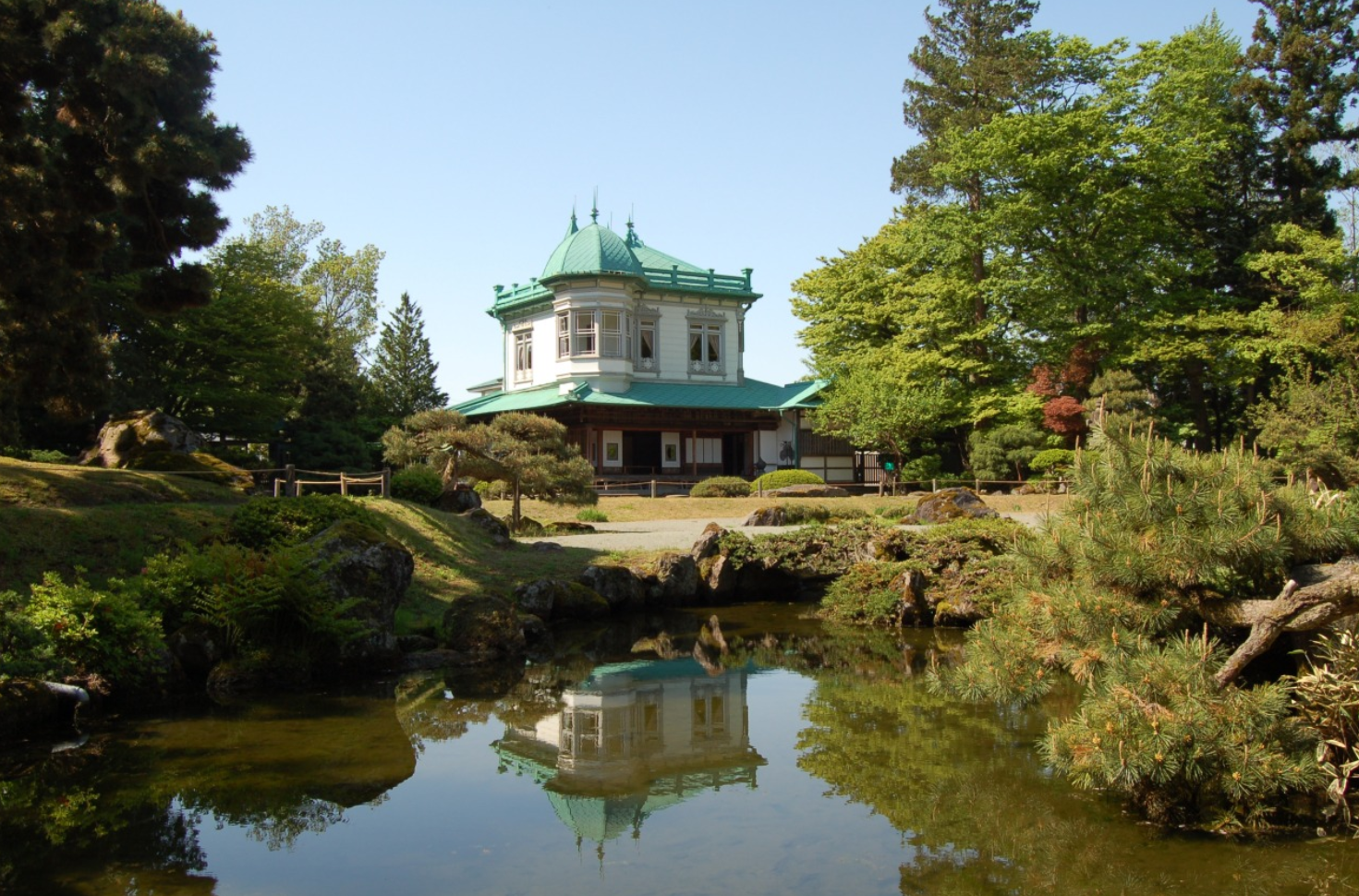
The house the Borrowers live under is drawn from Seibien in Hirakawa, deep in apple country, a garden laid out between 1902 and 1911 and considered one of the three great gardens of the Meiji era. Its centrepiece, the Seibikan, is a building wearing two costumes at once: traditional Japanese below, white Western villa above, like a gentleman in a bowler hat and hakama.
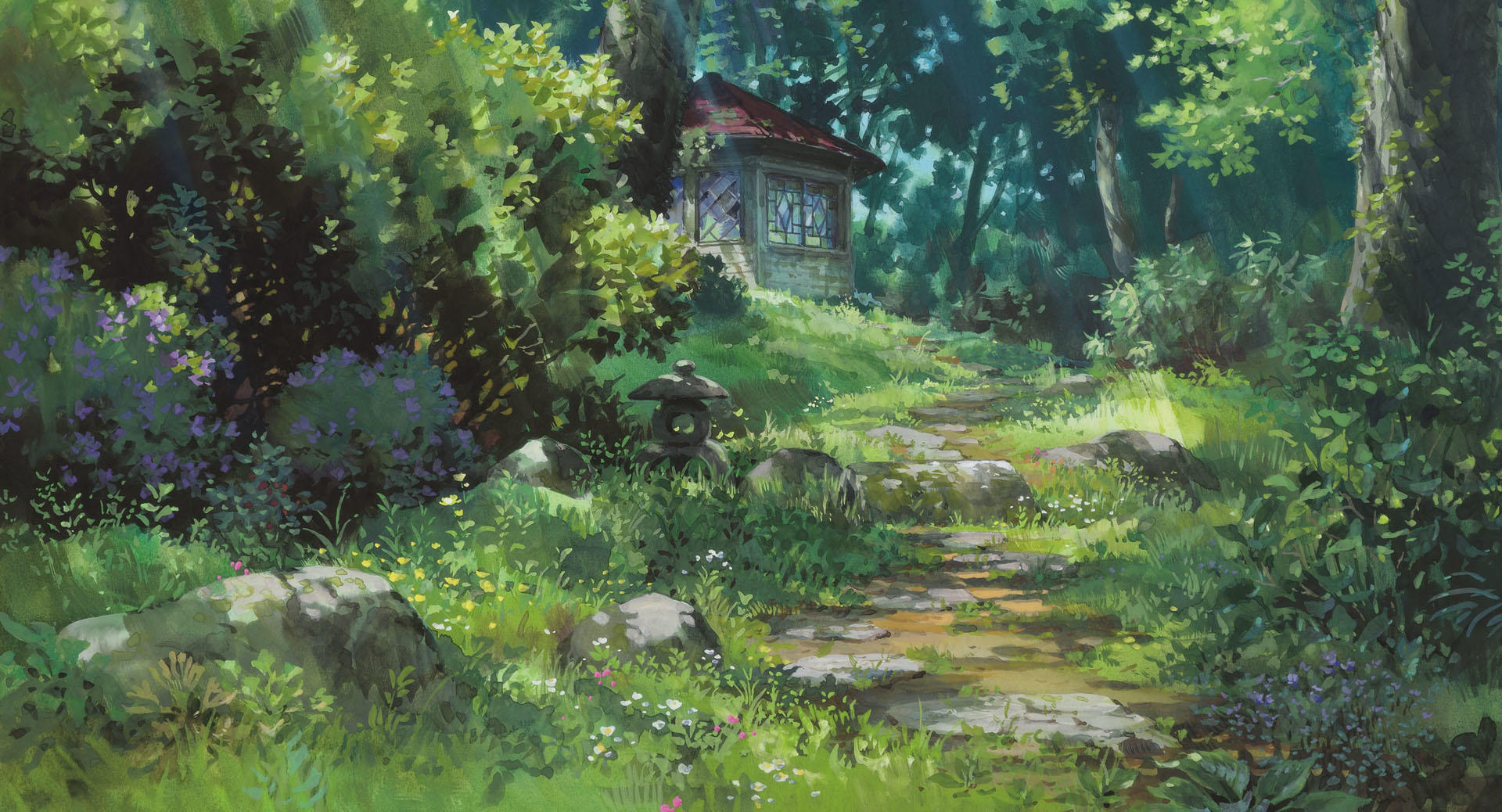
The garden has a generous origin: in famine years the landowning Seitō family paid struggling farmers to build it, and the district is full of landscape gardeners to this day. It opens mid-April to mid-November, and on a quiet weekday, you will have the lawns nearly to yourself on a solo date, which is the correct scale at which to imagine being ten centimetres tall.
From Up on Poppy Hill (2011)
Yamate, Yokohama
Gorō Miyazaki’s film is a love letter to 1963 Yokohama, the port city on the eve of the Olympic makeover. The Yamate bluff supplies Umi’s world: the Yamate Museum area is cited in the film’s own materials as the model for Coquelicot Manor, and in 2012 the city erected a flagpole in Harbour View Park flying the film’s “UW” signal flags, the message Umi raises every morning: I wish you a pleasant voyage.
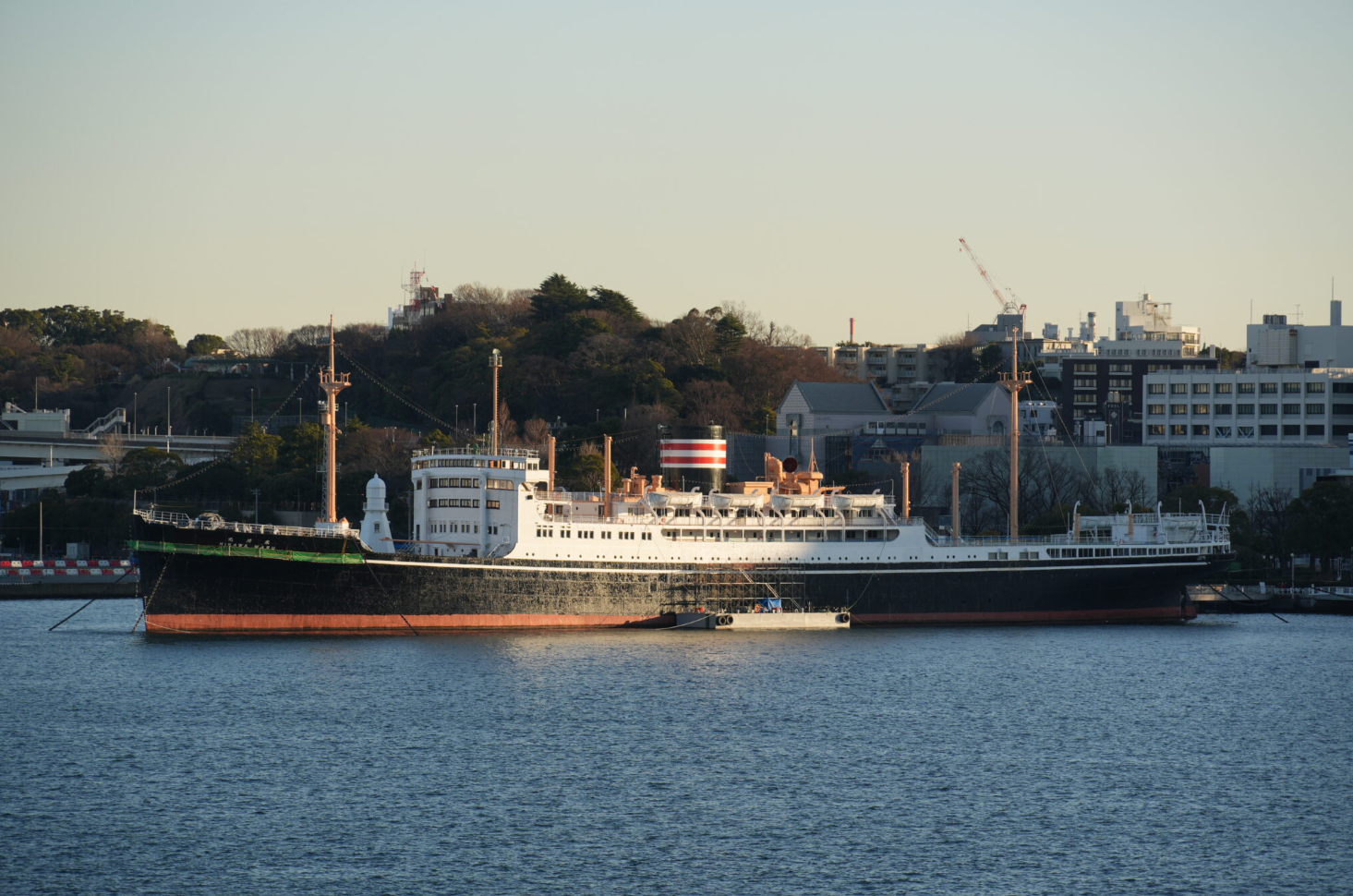
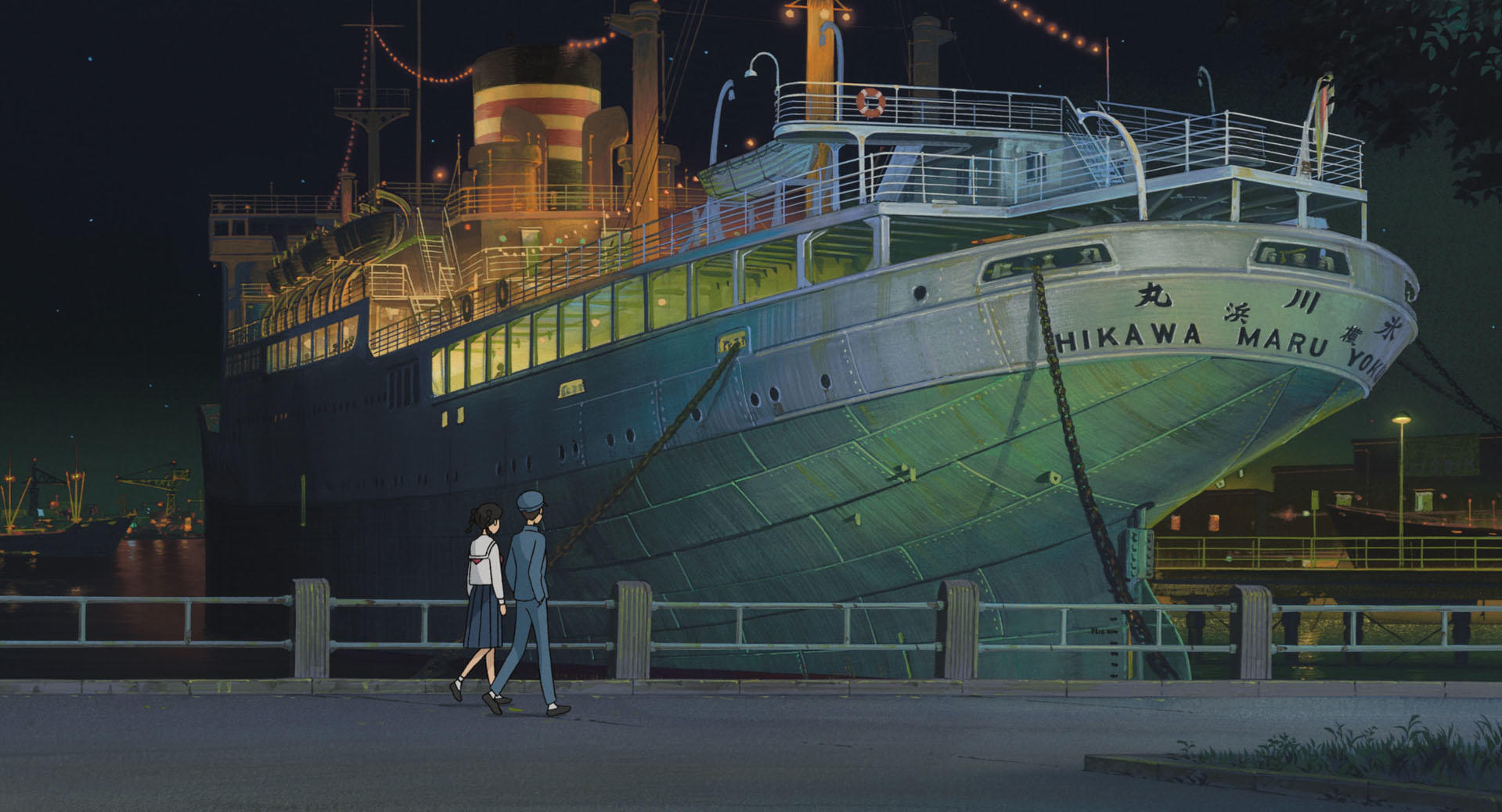
Down at Yamashita Park floats the Hikawa Maru, the 1930 liner that crossed the Pacific 254 times, near the Hotel New Grand of 1927, and Negishi Natsukashi Park preserves a pocket of the low-rise city the film recreates. Yokohama has rebuilt itself many times over. The flags on the hill say it still remembers how it felt to look seaward.
The Wind Rises (2013)
Karuizawa and a novelist’s house in Kyūshū
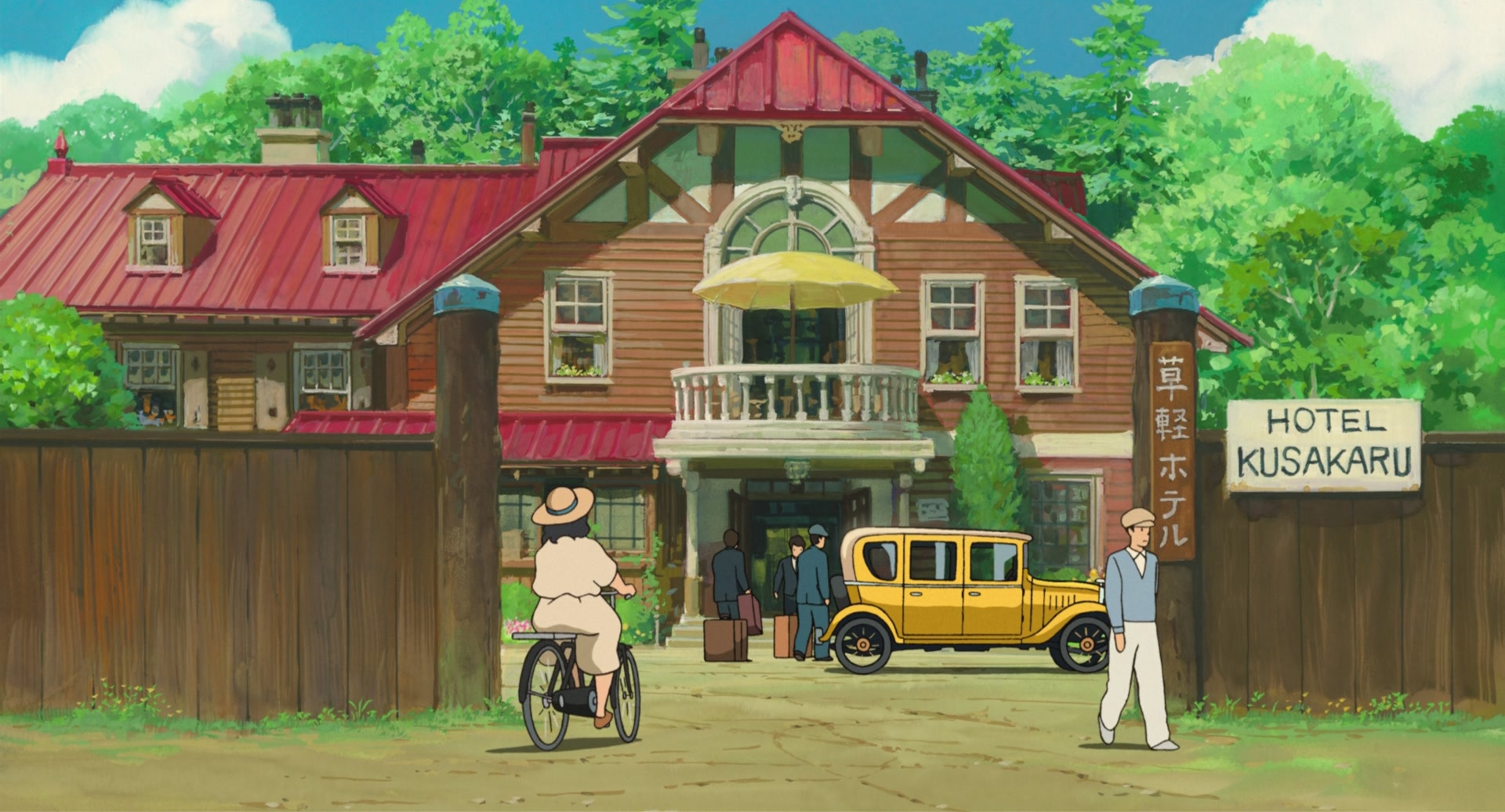
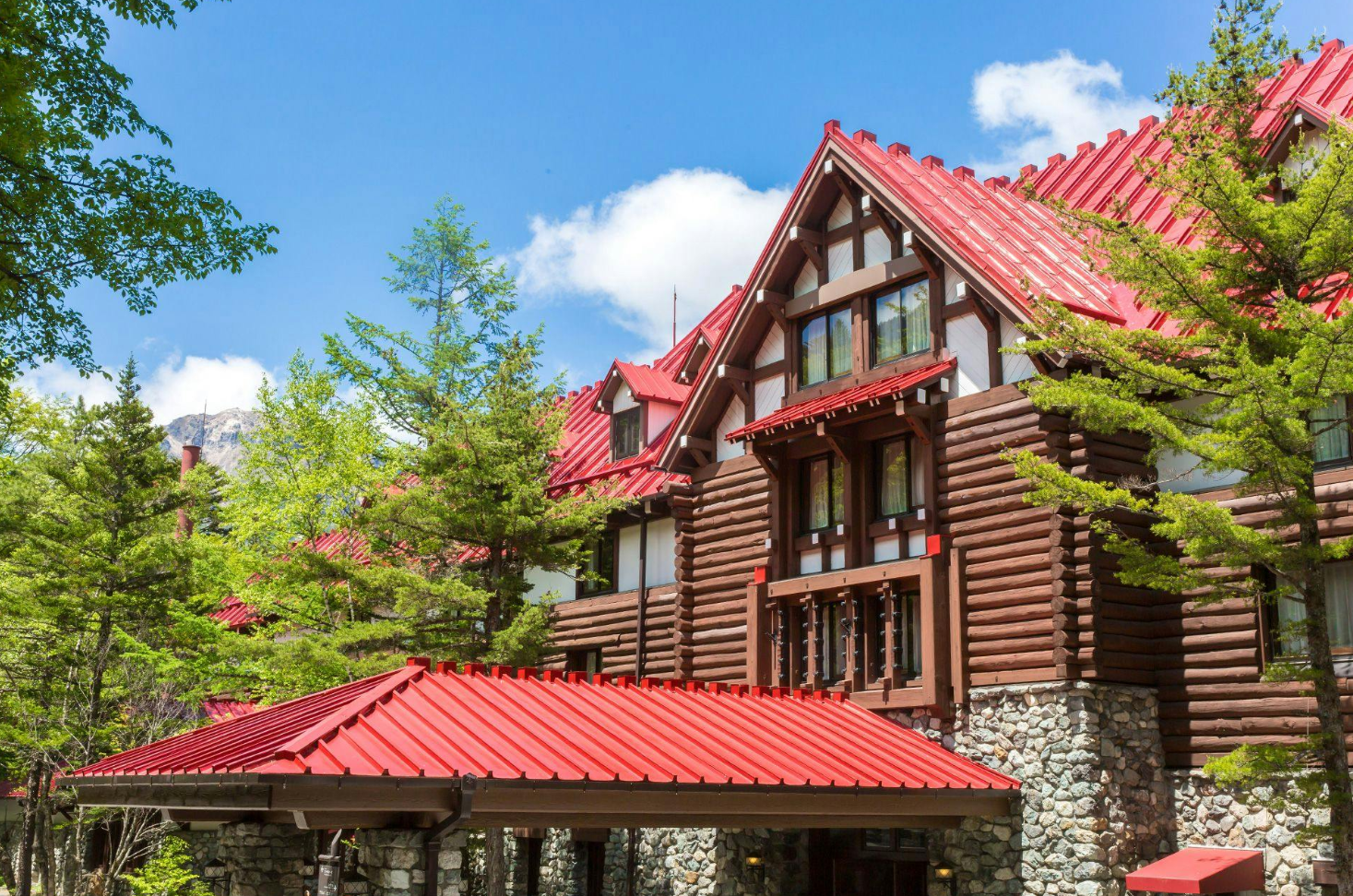
Jirō meets Naoko at a summer hotel in the highlands, and the model is generally agreed to be Karuizawa’s Mampei Hotel, which has welcomed guests since 1894, was registered as a cultural property since 2018, and is the place where John Lennon left behind his royal milk tea recipe. (The alpine Kamikōchi Imperial Hotel resembles the film’s hotel too, uncannily, though nothing was ever confirmed.)
The film’s title and its sanatorium love story come from Hori Tatsuo’s 1930s novel The Wind Has Risen, written in the nearby hamlet of Oiwake, where his literature memorial museum stands; the Karuizawa Kōgen Bunko rounds out the town’s literary museums. Strangest of all, Jirō’s family home was modelled on the house in Tamana, Kumamoto, associated with the novelist Natsume Sōseki, which Miyazaki, a devotee of Sōseki’s Kusamakura, visited on a staff trip in 2010. Even Miyazaki’s aeroplanes take off from bookshelves.
When Marnie Was There (2014)
A Norfolk creek, moved to Hokkaido
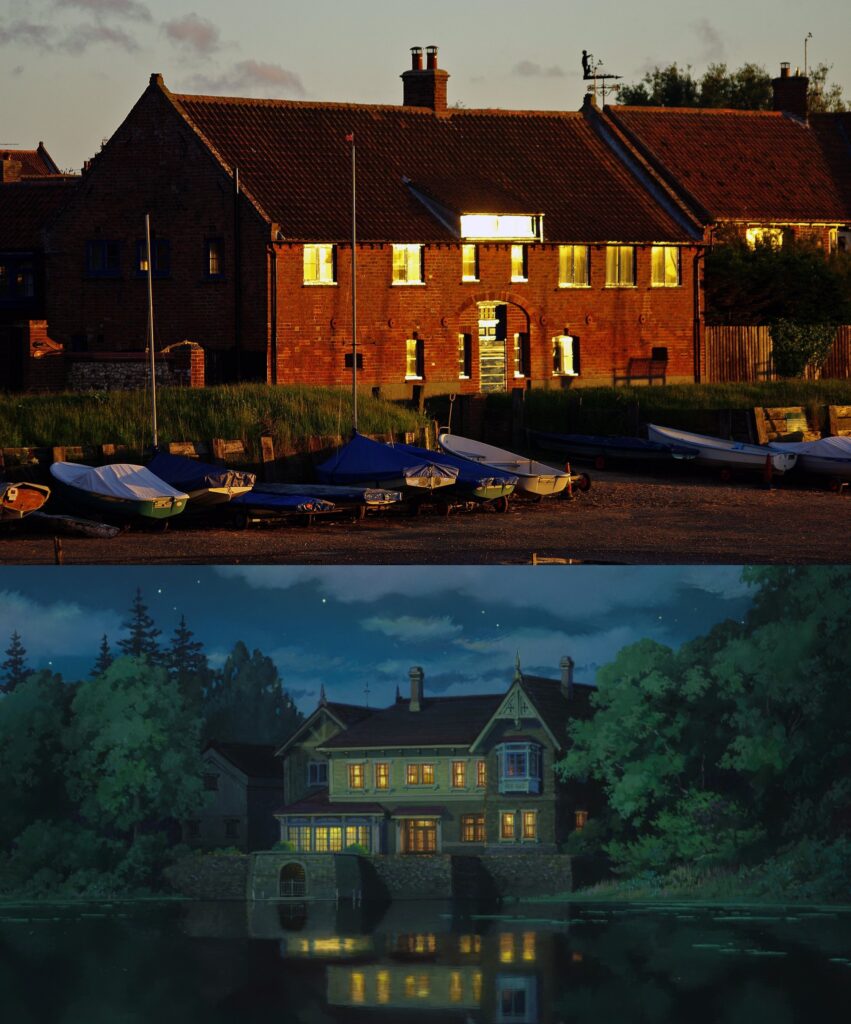
Hiromasa Yonebayashi’s ghost story has two homelands. Joan G. Robinson’s 1967 novel, which Miyazaki once placed on his list of fifty essential children’s books, is set in “Little Overton,” a thin disguise for Burnham Overy Staithe on the north Norfolk coast, where Robinson spent her summers. She walked the marsh path one evening and looked at The Granary, a house with blue doors and windows, and a story arrived.
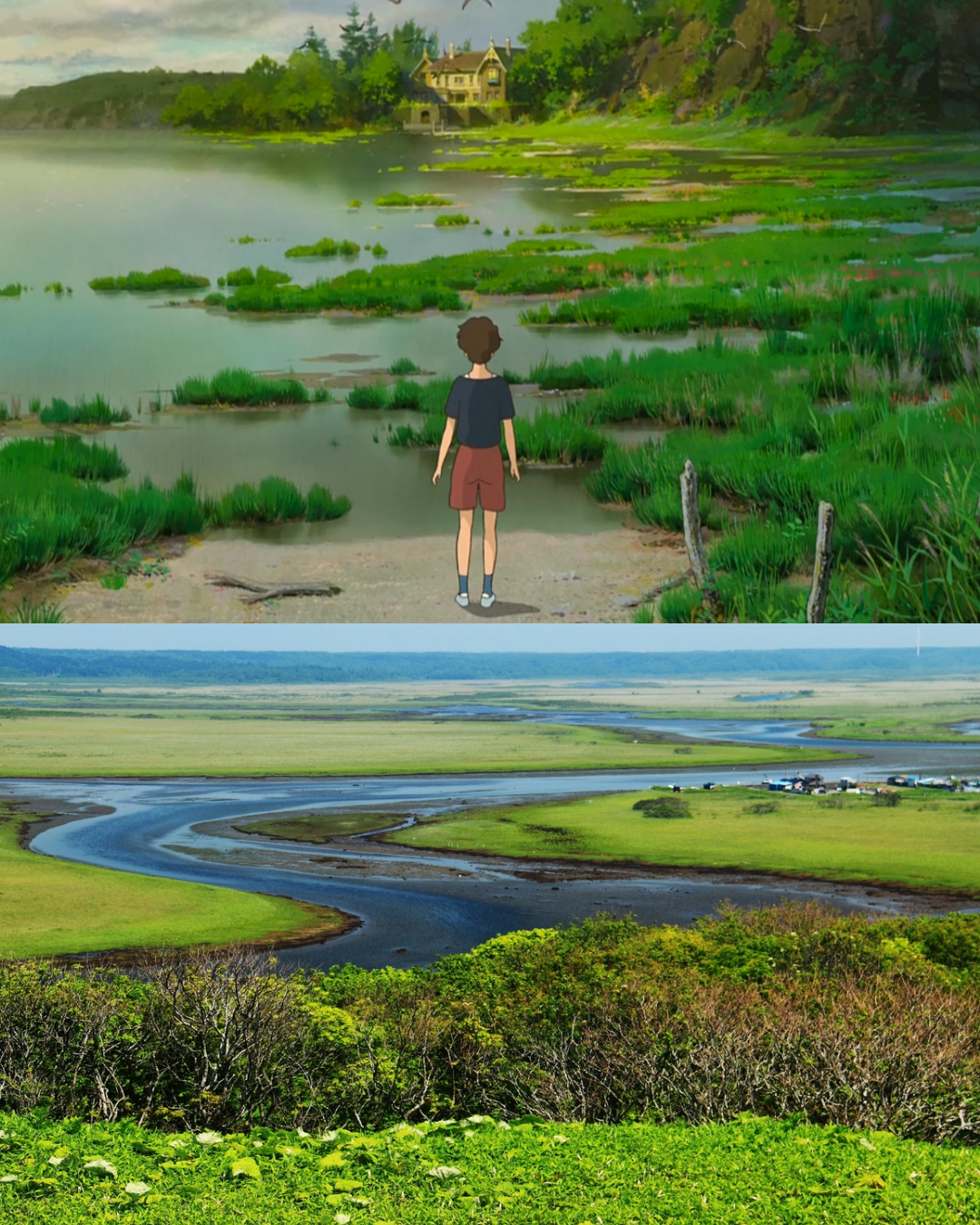
The village windmill became the film’s brooding silo. Ghibli transposed everything to Japan: Anna’s summer unfolds among the Kushiro wetlands of eastern Hokkaido, on the reedy shores of Lake Tōro. Visit either, and you will feel the same thing, salt marsh or freshwater marsh: a landscape that seems, at high tide and dusk, entirely capable of producing a girl who may not be there.
The Boy and the Heron (2023)
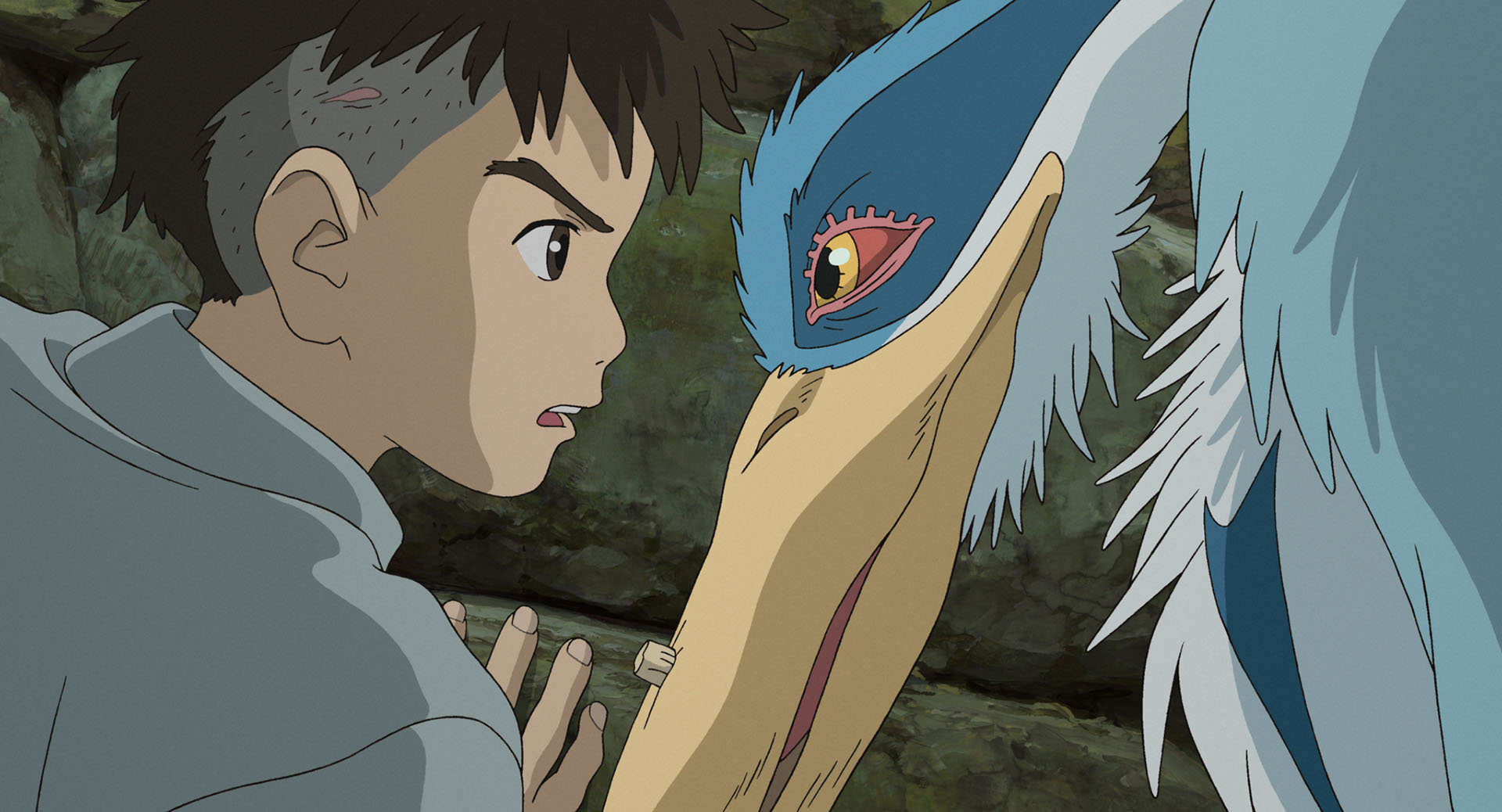
Miyazaki’s Oscar-winning late masterpiece breaks the pattern of this list: there is no town to visit, no cove, no bathhouse. Its wellspring is a book, Genzaburō Yoshino’s 1937 novel How Do You Live?, a classic of Japanese childhood about a boy learning to think for himself, which appears in the film as a mother’s parting gift and gave the film its Japanese title. After eight decades of turning real places into imagined ones, Miyazaki’s final destination turned out to be a printed page. Every journey in this guide has been pointing there all along.
Built by Ghibli
Mitaka and Nagakute
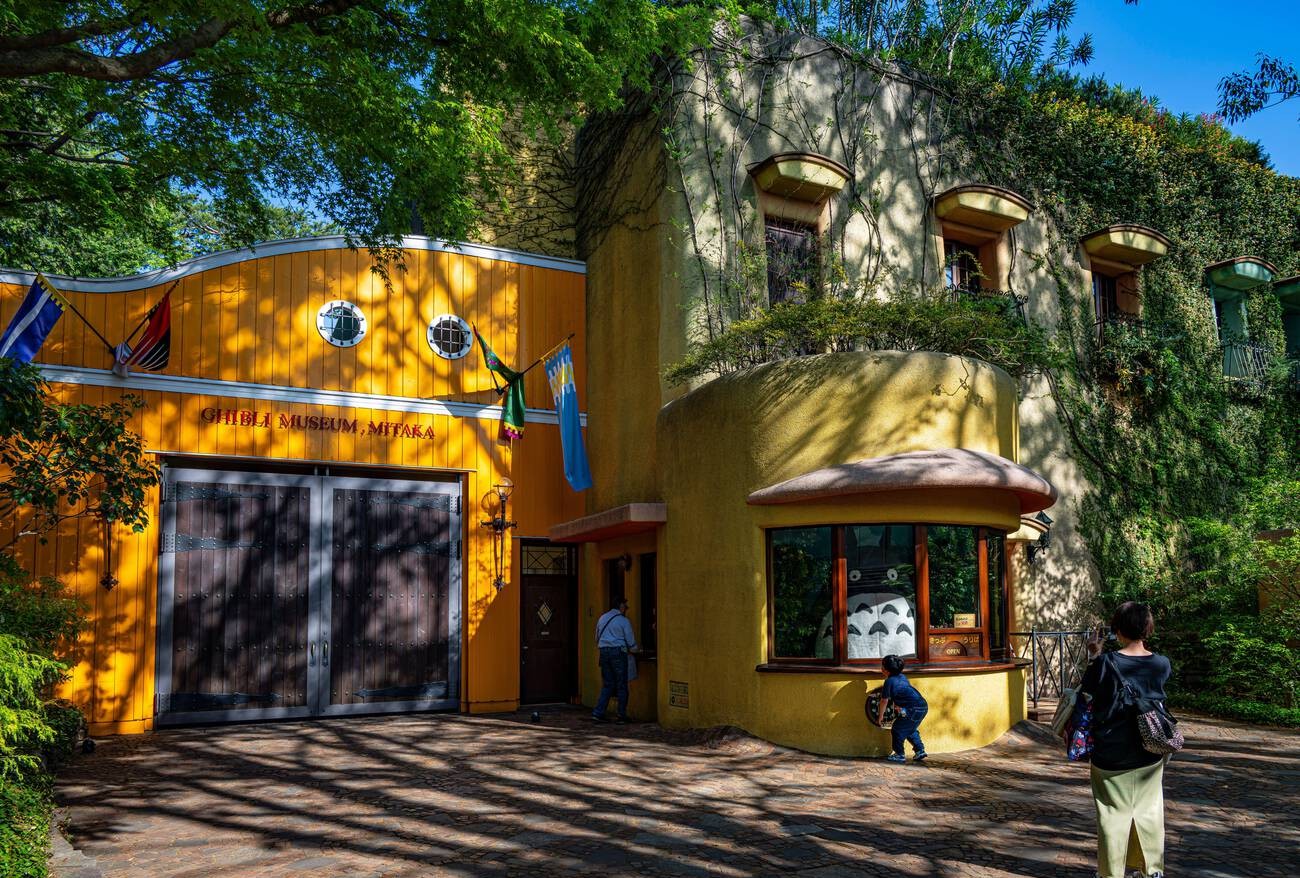
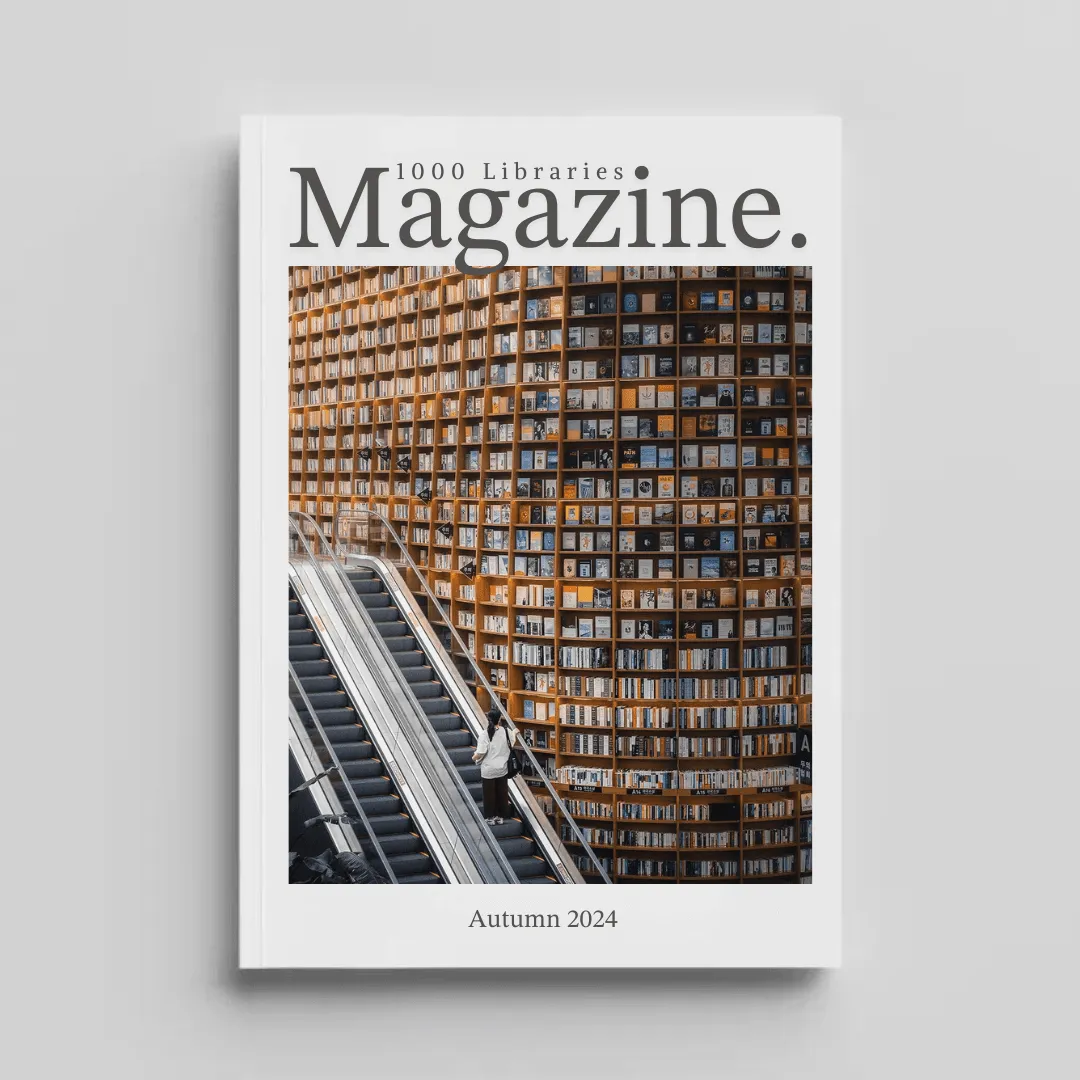
Two places let you complete the pilgrimage in reverse, walking into the films rather than behind them. The Ghibli Museum in Mitaka, western Tokyo, designed by Miyazaki himself in storyboard form and reachable only by advance reservation, hides one room this magazine’s readers should head for first: TRI HAWKS, the reading room, its name a pun on Mitaka, “three hawks,” stocked entirely with books Miyazaki recommends and free for children to browse at will.
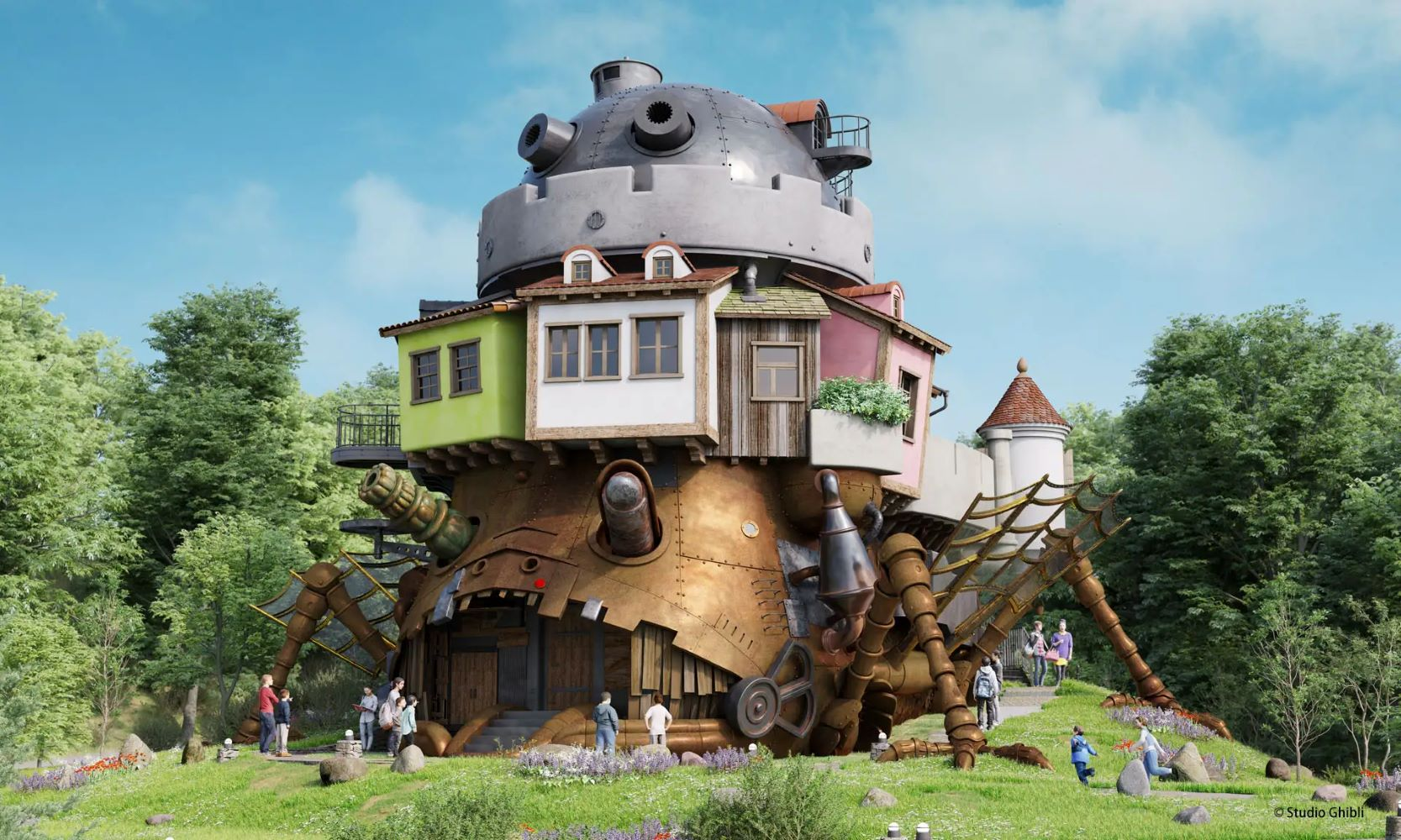
Ghibli Park, opened on the 1st of November 2022 in the Expo 2005 park at Nagakute near Nagoya under Gorō Miyazaki’s direction, refuses thrill rides altogether: you walk through woods and recreated film interiors, at exactly the speed of the movies. A theme park with no queues for adrenaline. Only for wonder.
Travel the Way the Studio Does
Strip away the fantasy, and Ghibli’s method is a slow traveller’s manifesto. Go somewhere unfashionable and treat yourself to a meaningful experience that doesn’t need to be posted. Stay too long. Draw what you see, or at least look at it hard enough to draw it. Miyazaki spent two months in a fishing town of three thousand people; his artists sat for days in a wet ravine.
The films that resulted repaid their sources, buying forests in Saitama and filling festivals in Yamagata, because attention, it turns out, is a form of protection. So take the pilgrimage, but take it Ghibli’s way: by local train, with a sketchbook or a paperback, prepared to be delayed by tides. And pack How Do You Live?, or the Sōseki, or the Robinson. The greatest filmmaker alive spent his career telling us where his worlds came from. Half of them came from places. The other half were borrowed from a library.
